Technology made clear for legal practice
In many proceedings and mandates, technology plays the decisive role, from securing evidence to the use of AI to the cloud in the law firm. I prepare these technical topics so that lawyers can assess and use them. The legal assessment stays with the lawyers, I provide the technical foundation.
Request collaborationDiagram: Where technology and law meet, from law firm IT to securing evidence.

The technical foundation for legal questions
For more than thirty years I have worked as a freelance IT specialist author for trade media such as c't, iX, Computerwoche and dpa, and I have published more than a hundred IT specialist books. Through exchanges with companies, manufacturers and public authorities up to ministerial level, a very practice-oriented view emerges on questions that today also arise in a legal context.
My approach is clearly delimited. I prepare technical topics so that they are relevant and comprehensible for lawyers, and I provide the technical classification. I deliberately do not carry out the legal assessment, which stays with the lawyers. It is precisely this division of labor that makes joint specialist articles robust.
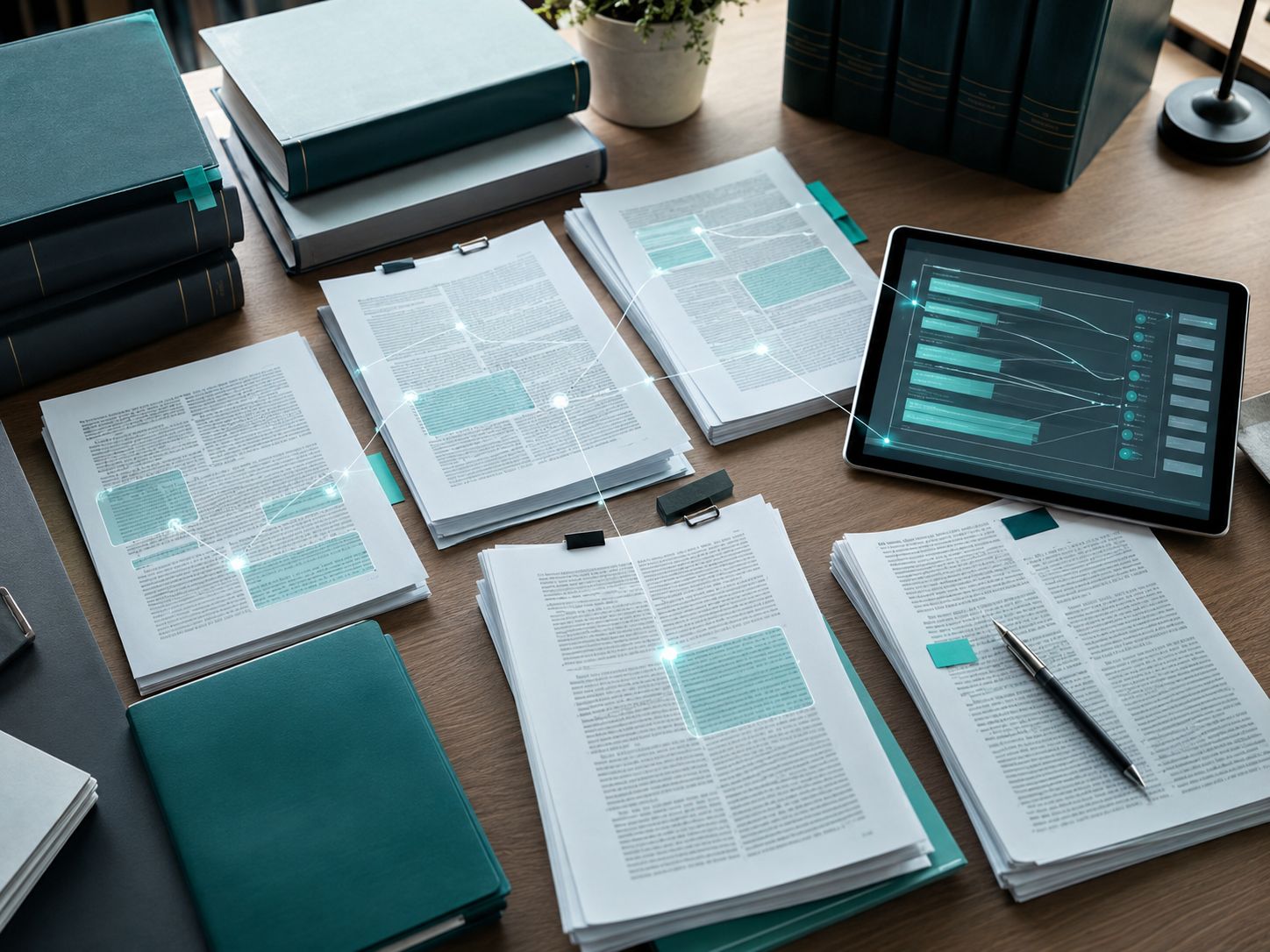
A specialist article in the ZIIR
For the ZIIR, the journal for information law of Verlag Österreich, I wrote an article for the "IT for Lawyers" section. The topic was the analysis of complex case files and legal texts with NotebookLM as well as the local Google AI Gemma. The article shows how lawyers can research within their own documents in isolation, how the technology protects against false information, and where its limits lie. The data protection aspects are also classified there.
The section prepares the technical particularities of information technology for lawyers and places them in the right context. It is precisely this interplay of technical preparation and legal support by the editorial team that carries the articles.
Technology and law cleanly separated
Technical misjudgments quickly lead to false conclusions in a legal context. That is why I provide the technical architecture and the practical classification, on which the legal assessment is then based.
From this separation emerges a joint article that is technically correct and assessed cleanly in legal terms. For editorial teams this means reliable technology without out-of-field legal interpretation.
Three topic areas with direct practical relevance
These areas come up more and more often in law firms and legal departments and are frequently misjudged in technical terms.
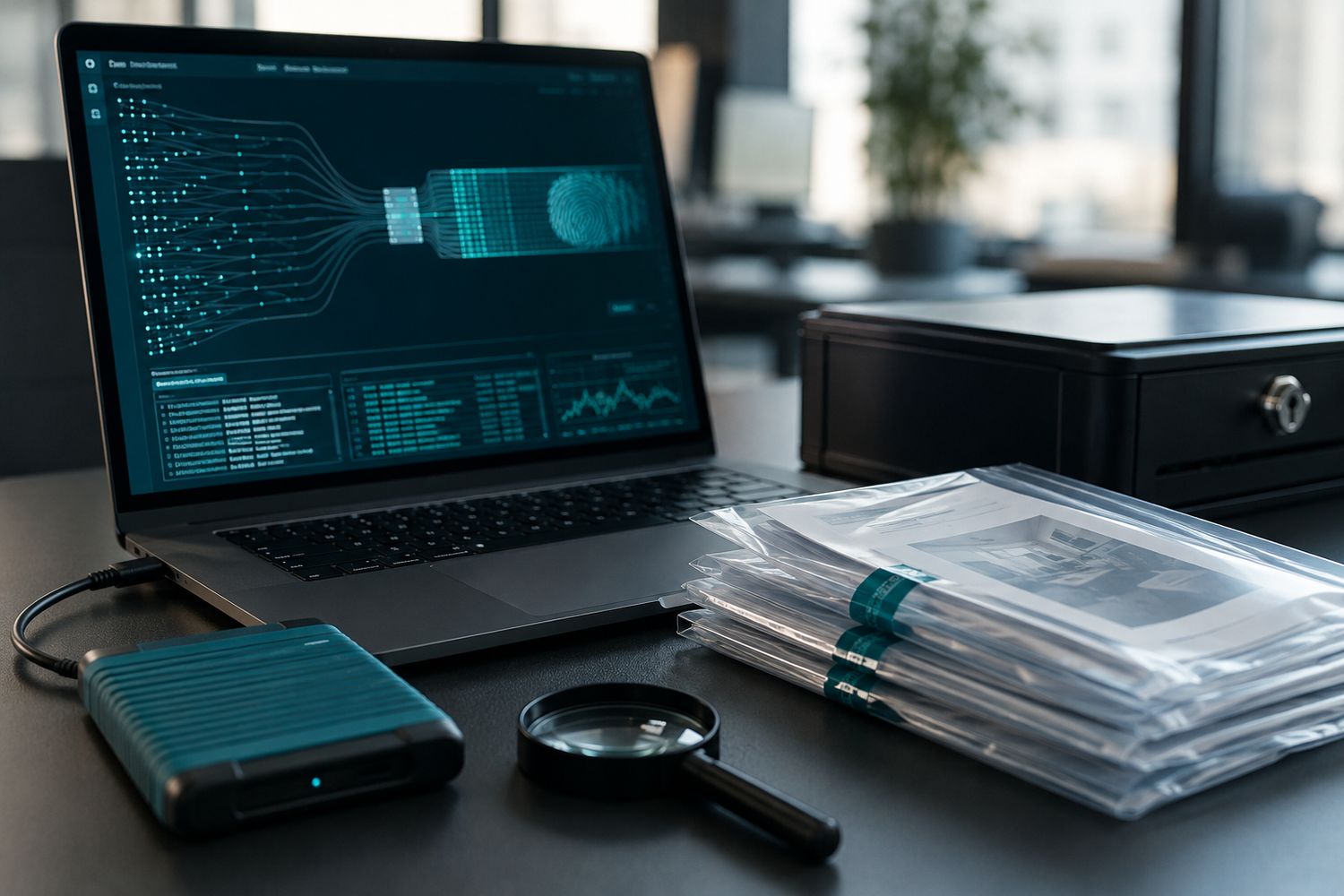
Data from Microsoft 365, cloud storage and log files must be secured technically in such a way that it remains admissible in court and in internal investigations. How this is done and which mistakes jeopardize admissibility can be explained in a practical way.
With Copilot, ChatGPT and Gemini the question arises of what technically happens to client data. The difference between free and enterprise use and the path to a local or data protection compliant deployment can be presented clearly.
Modern cloud services such as Azure and Microsoft 365 can be configured technically so that they withstand strict data protection requirements and confidentiality obligations. What matters in the implementation is a technical question with legal impact.
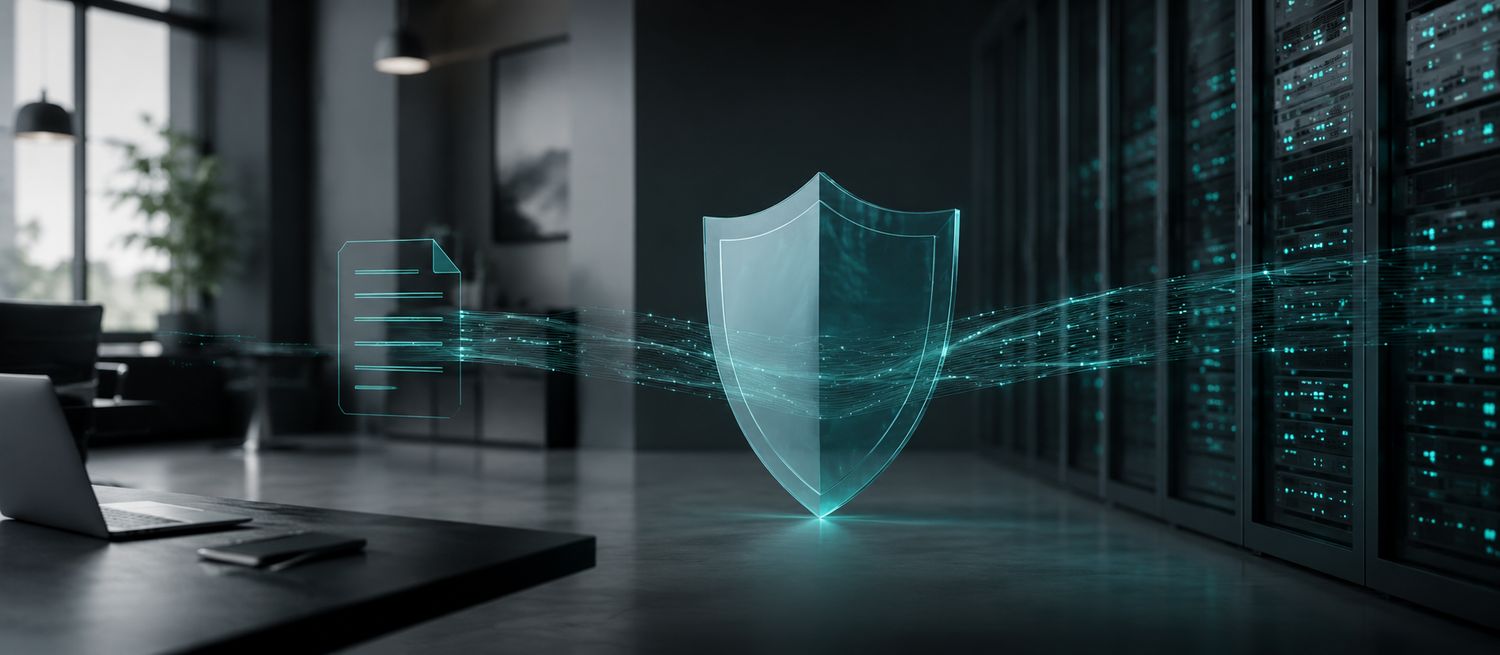
Where the client data flows
Whether AI is viable in the law firm depends on the technical path of the data. With freely used services, client data leaves the law firm and is processed outside of one's own control.
Enterprise offerings and local models such as NotebookLM, Gemma or safeguarded Azure environments keep the data under control. The diagram shows the difference that the technical choice makes.
Article ideas for legal trade media
Topics at the intersection of technology and law that are often misjudged in practice. Each idea provides the technical foundation for a legal assessment.
Digital forensics and securing evidence
How data from Microsoft 365, cloud storage and log files is secured technically so that it remains admissible in court.
AI while preserving attorney-client privilege
What technically happens to the data with Copilot or ChatGPT and how law firms can deploy AI locally or enterprise-securely.
Cloud compliance and Schrems II
How Azure and Microsoft 365 can be configured technically so that they withstand data protection requirements and confidentiality obligations.
Deepfakes and identity theft
How AI-generated forgeries of documents, voice messages and videos can be detected and secured technically.
Data protection pitfalls with ChatGPT and Gemini
What technically happens to client data in the models and how public and enterprise use differ.
Complex case files with NotebookLM
How lawyers can research within their own documents in isolation, how the technology protects against false information and where the limits lie. Already published in the ZIIR.
NIS2, AI Act and CRA classified technically
What the current regulations mean concretely in technical terms for companies and their IT, beyond the mere legal texts.
Cryptocurrencies in proceedings
How digital assets work technically, are secured and traced, and what that means for practice.
AI agents in the law firm
How recurring processes can be automated and information from Google Workspace or Microsoft 365 can be read out securely.
Technical specialist articles for a legal audience
For legal trade media I write the technical side of a topic, comprehensibly and in a practical way, and place it in the right context. The legal assessment is carried out by the editorial team or a lawyer from their network. This is how robust articles emerge at the intersection of technology and law.
Formats
Specialist articles and explainer pieces for the "IT for Lawyers" section, technical foundations for joint articles and decision-making aids.
Topics
Securing evidence, AI and data protection, cloud compliance, IT security in the law firm as well as the technical side of NIS2, AI Act and CRA.
A clear role
Technical preparation and classification without out-of-field legal interpretation. The legal assessment stays with the lawyers.
Reliability
Meeting deadlines and a clean handling of facts drawn from decades of work for the IT trade press, most recently in the ZIIR.
Collaboration at the intersection of technology and law
For articles, series or joint pieces with legal support, I am glad to be available to editorial teams and publishers. A brief message with the topic or the starting situation is enough.
Write a message