Technology and the farm, thought through as one
Digitalisation reached the farm long ago, from barn controls and connected machinery to AI on the smartphone. I combine decades of IT practice with everyday life on my own farm and explain this technology in a way that stays tangible for farmers without losing any technical depth.
Request a collaborationDiagram: field, barn, machinery, subsidies and office come together through data and AI.
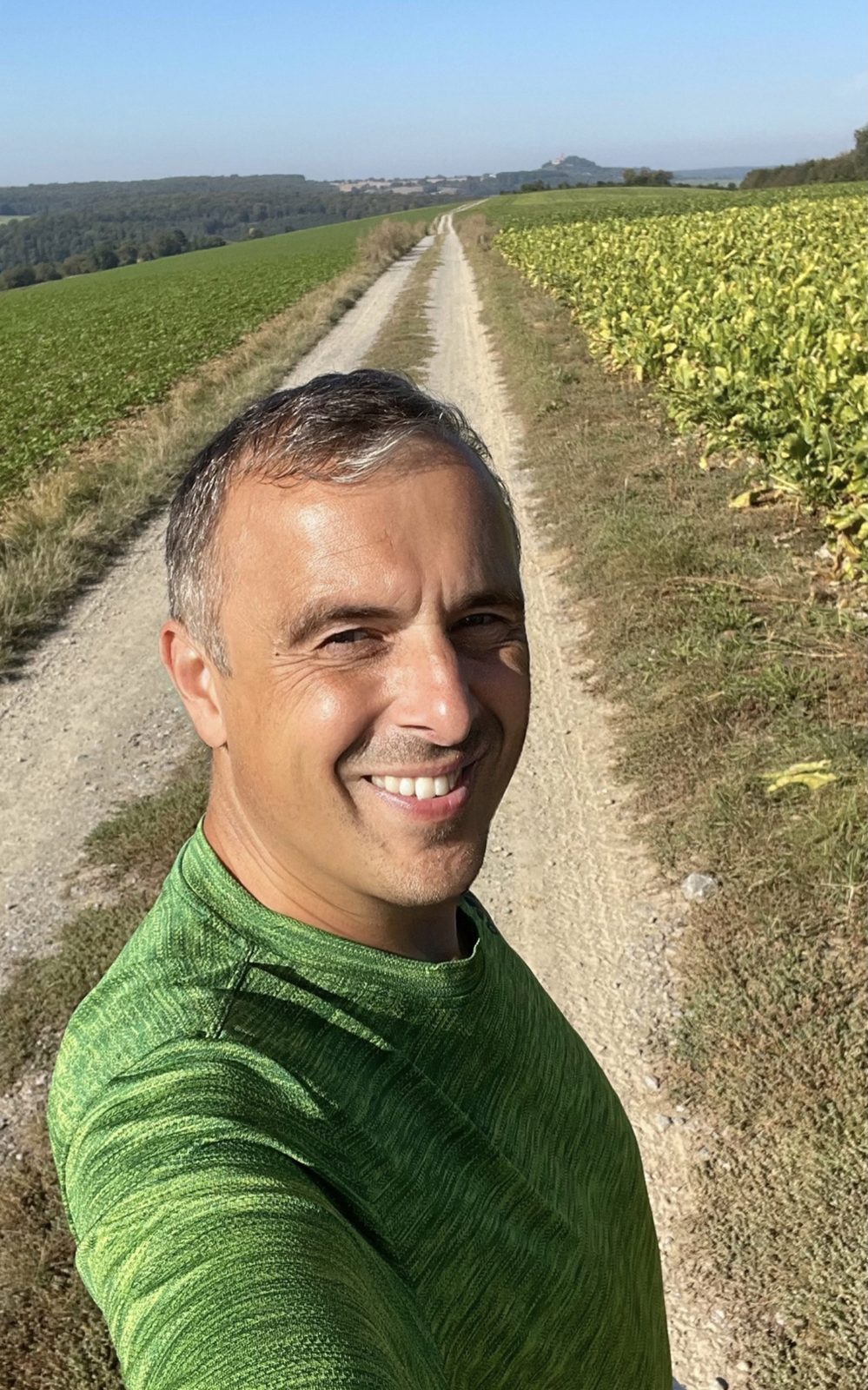
A perspective that brings the farm and IT together
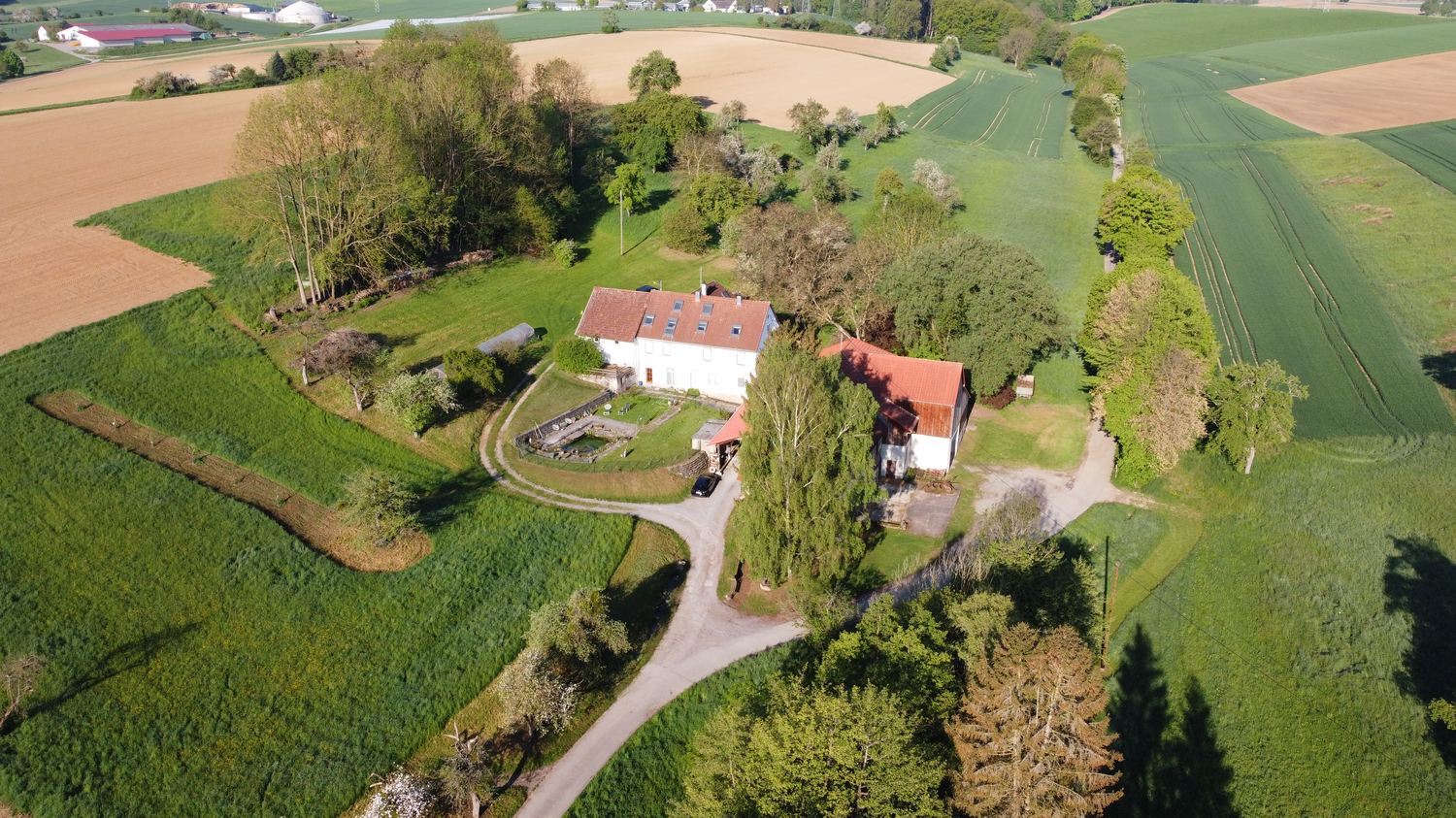
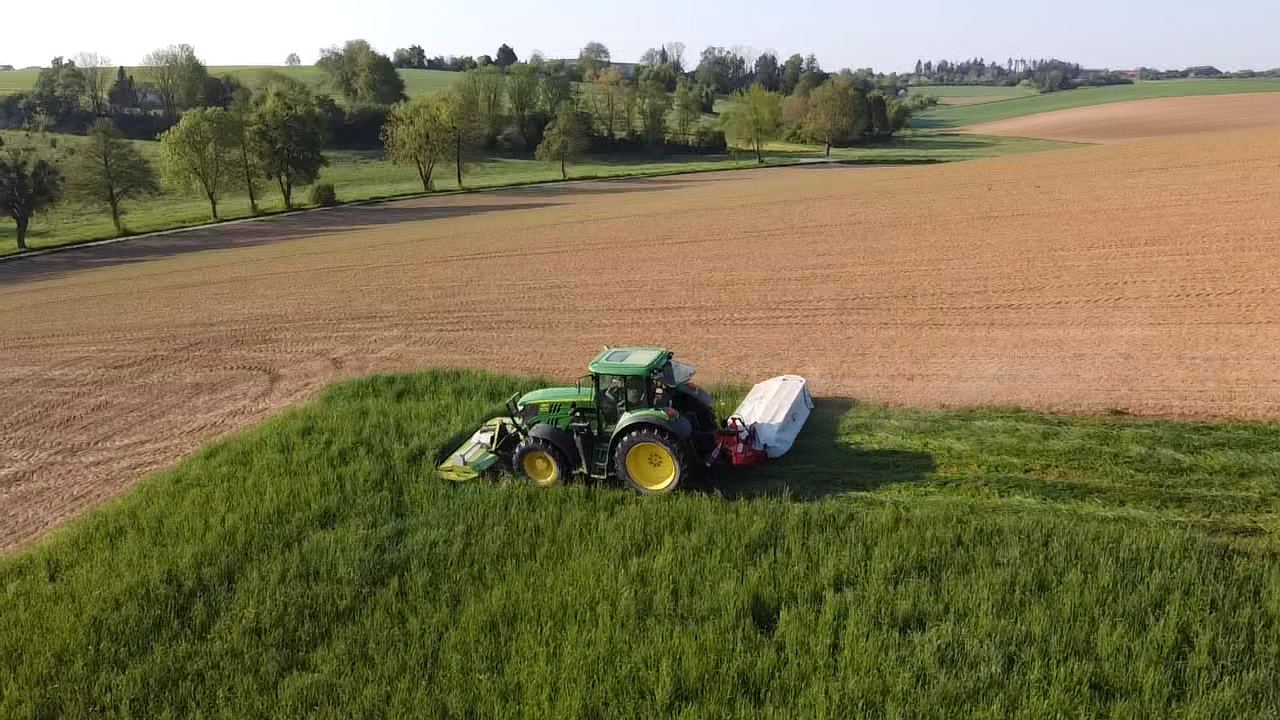
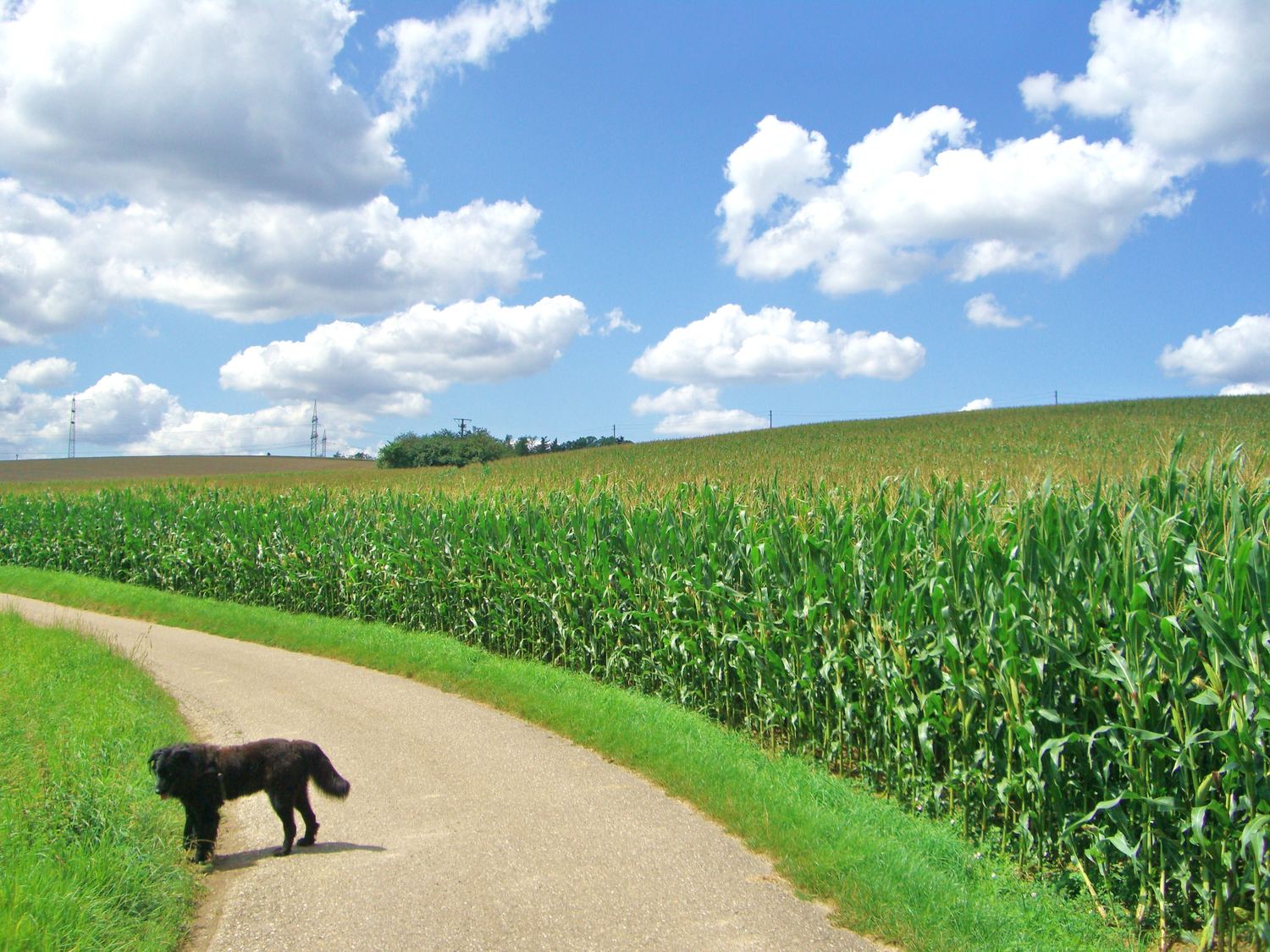
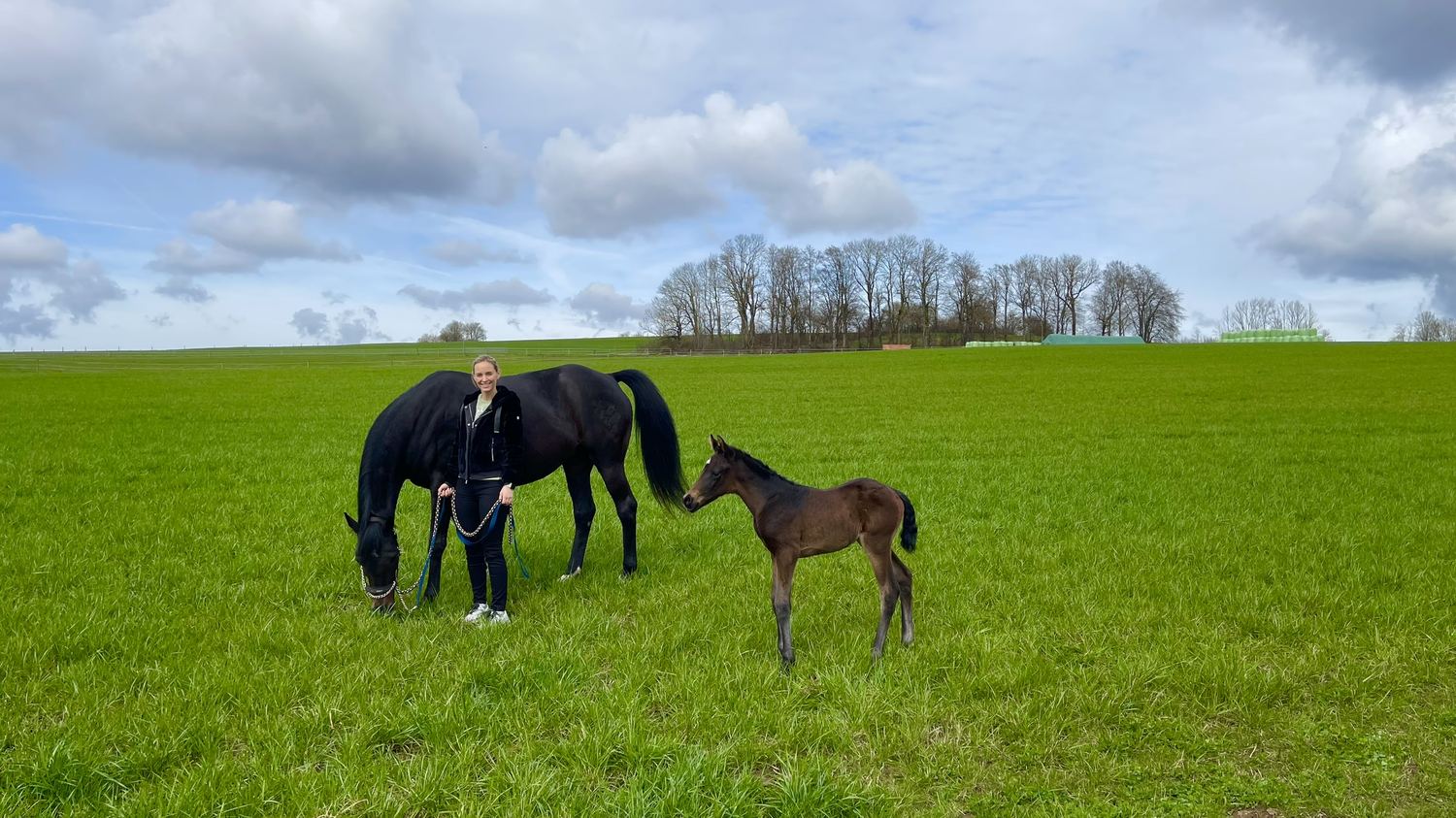
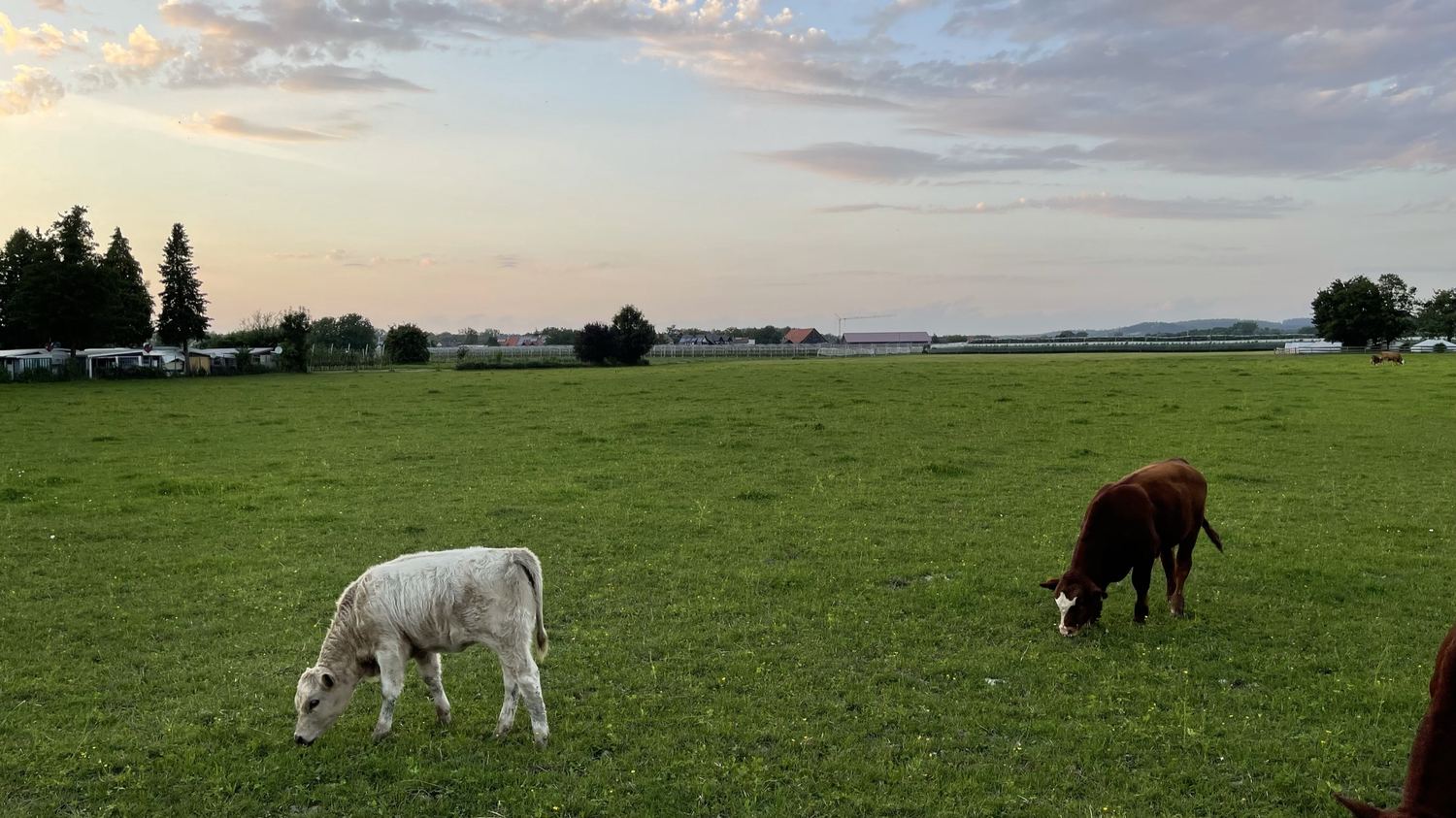
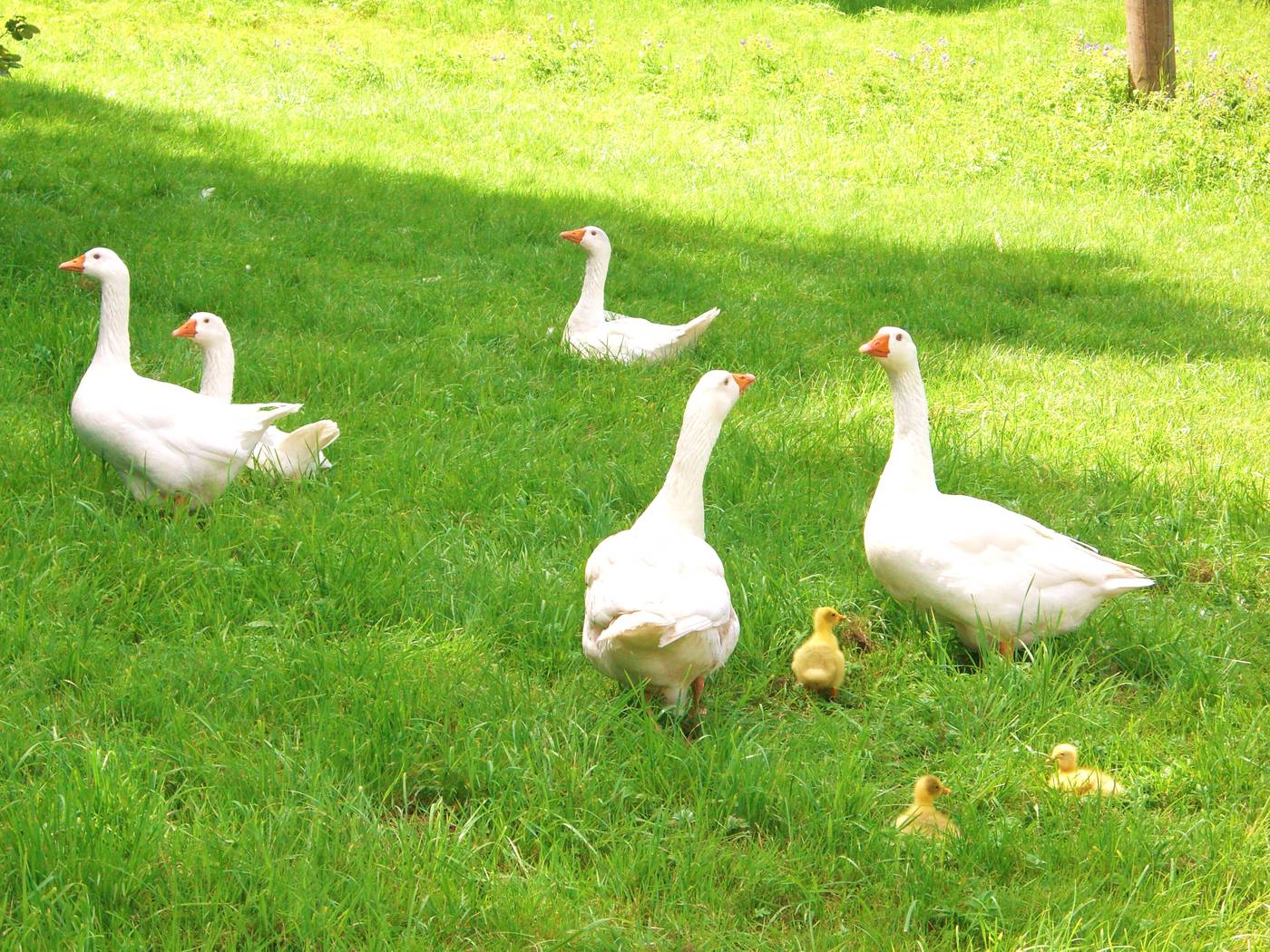
I come from a farming family that has worked the land for five generations, and I still live on my ancestors' farm in Bad Wimpfen to this day. Over the years the farm grew tobacco and many other crops. My wife and I keep cats, horses and geese, I am a member of the farmers' association and stay in close contact with the farming community in the region.
Besides classic field work, I also have experience operating biogas plants. I know daily life on the farm and the routines across the seasons from my own hands-on experience.
For more than thirty years I have worked as a freelance IT author for trade media such as c't, iX, Computerwoche and PC-Welt, and I have published more than a hundred IT reference books. When it comes to IT questions in the agricultural setting, I regularly lend a hand, from securing the computers and organising data storage to websites and applications. It is this combination of technology and everyday operational reality that I draw on.
Digitalisation on the farm, clearly explained
Precision farming, connected machinery, sensors in the barn and in the field, farm software and AI-assisted analysis are part of everyday life on many farms. With them grows the dependence on technology that works, from milking systems and feeding to the accounts.
The benefit of this technology only emerges once it actually reaches the farm. Many articles stay either too superficial or get lost in manufacturer brochures. I prepare the technical background so that it stays tangible for farmers and still holds up on the technical side.
The focus is on the practical questions: what does a technology deliver in everyday use, what steps are needed, what costs and risks arise, and who ultimately owns the data.
A few figures for context
of farms use at least one AI tool in 2025, rising to around 47 percent among larger farms.
of ransomware victims are small and medium-sized businesses, exactly the profile of many farms.
365FarmNet comes to an end, its features moving to Claas Connect. For many farms a switch is due.
Data sovereignty becomes concrete, through agrirouter, Agdatahub and the European agricultural data space.
Share of farms using digital and AI-assisted tools.
Sources include the BSI situation report 2025, agrarheute and the EU Commission on the European agricultural data space.
Three topic areas with a direct link to practice
These areas affect almost every farm and lend themselves to hands-on trade articles.
Many farms underestimate how dependent they are on technology, from barn controls and milking systems to the accounts. It can be shown in practical terms how a farm protects itself against outages, ransomware and phishing with simple steps, without needing its own IT department.
The value of AI lies in making knowledge available that is otherwise hard to reach, right there on the smartphone. That also reaches farms which have shied away from digital tools so far, because the barrier to entry is low and no dedicated hardware is required.
Connected machinery and sensors generate large volumes of data. The central question is who owns this data and how a farm keeps control. Around precision farming, farm software and data spaces, it can be laid out what really matters.
Keep barn technology and the office apart
A farm today depends on connected milking, feeding and barn technology. If it fails through an attack or a defect, animal welfare is quickly at stake.
A simple separation of office computers and control technology into separate network zones prevents malware from the office spreading to the barn technology. The diagram shows the basic principle.
What AI delivers in daily life on the farm
These tasks run directly on the smartphone, so also on the move on the tractor, in the barn or out in the field.
A tool that needs no hardware of its own and helps right where the action is.
Identify plant diseases
Determine diseases and pests from a photo and get a first sense of the countermeasures to take.
Make package inserts understandable
Have labels of crop protection products and veterinary medicines explained, including active ingredients, application rates and withdrawal periods.
Subsidies and applications
Make sense of subsidies and grants and prepare the necessary applications in a structured way.
Assess animal health
Make sense of symptoms in animals and prepare the appointment with the vet in a structured way.
Translate manuals
Turn complex operating manuals for machinery and farm software into clear, understandable steps.
A low barrier to entry
Usable AI services are available for free or for a few euros a month. There is no need to buy your own hardware or software, the smartphone is enough.
The farm decides about its own data
Machinery, sensors and farm software continuously generate data. Without clear rules, it flows off unnoticed to manufacturers and third parties.
Platforms such as agrirouter and the European agricultural data space put the farm at the centre. It grants specific access to who receives which data, and keeps control. The diagram shows this path.
Article ideas with a hook
A selection of current topics that affect many farms and lend themselves to a hands-on treatment.
Securing barn technology
Network segmentation so that barn technology and office computers stay separate, with an emergency plan for the failure of milking and feeding technology.
Switching from 365FarmNet
The data export and suitable alternatives as 365FarmNet ends, so that your own farm data is preserved.
Who owns the data
agrirouter, Agdatahub and the European agricultural data space, clearly explained, with the question of access and control.
Plant diseases by photo
Identify diseases from a phone photo, with an honest appraisal of the benefits and limits of AI diagnosis.
AI in the office and the barn
Useful applications for forms, documentation and everyday questions, along with the clear limits and risks.
Getting the network to work
Connectivity in the barn and out in the field via LTE antenna, repeater or satellite, independent of provider marketing.
Basic protection against ransomware
Backups and simple protective measures with which a farm secures itself against data loss in just a few steps.
The CAP application, digital
The digital subsidy application, area monitoring by satellite and the most common pitfalls in practice.
Standards explained honestly
ISOBUS and the interoperability of machinery, with an honest look at where compatible does not yet mean seamless.
Trade articles that connect technology and the farm
For agricultural media I write vendor-neutral and from the perspective of people who deal with farm and technology themselves. The articles stay close to practice and explain even demanding topics in a way that readers can put to use.
Formats
Trade articles, explainers, guides, reportage as well as whitepapers and decision-making documents, tailored to the target audience.
Topics
IT security on the farm, sensible use of AI, data sovereignty, precision farming, connectivity in rural areas and farm software.
Standard
Understandable without losing technical depth, vendor-neutral and with a clear benefit for the individual farm.
Reliability
Meeting deadlines and handling facts cleanly, drawn from decades of work for the IT trade press.
Working together in agriculture
For articles, series or whitepapers on IT and AI in agriculture, I am glad to be available to editorial teams and farms. A short message with the topic or the starting situation is enough.
Write a message