











IT and AI in Agriculture
Technology and farm, thought through together
From the milking robot to AI on the smartphone. I come from a farm myself, I know both the brochure and the reality, and I explain the technology behind digital agriculture in a way that reaches the farm and holds up professionally.
More publications
A perspective that brings farm and IT together
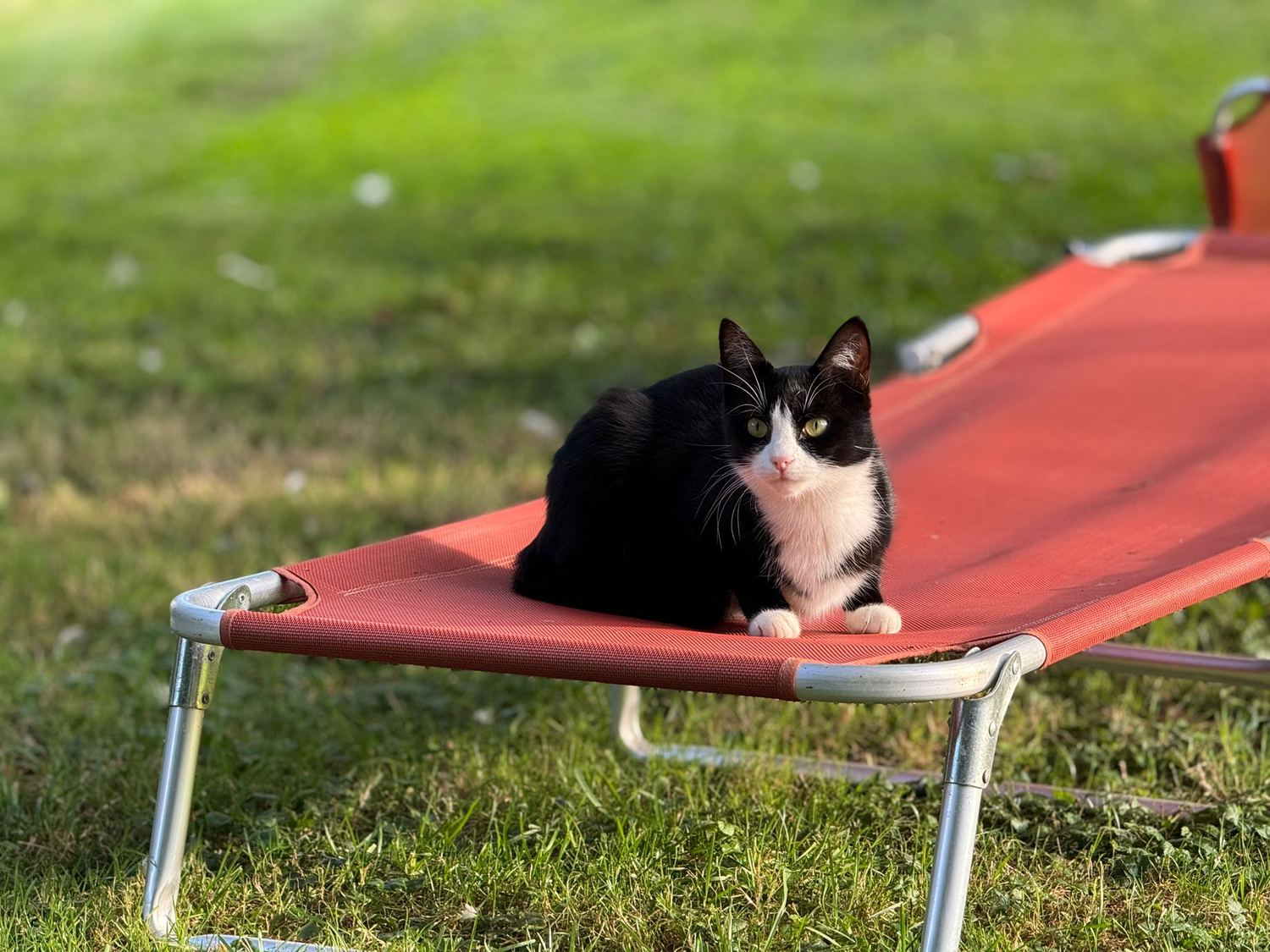
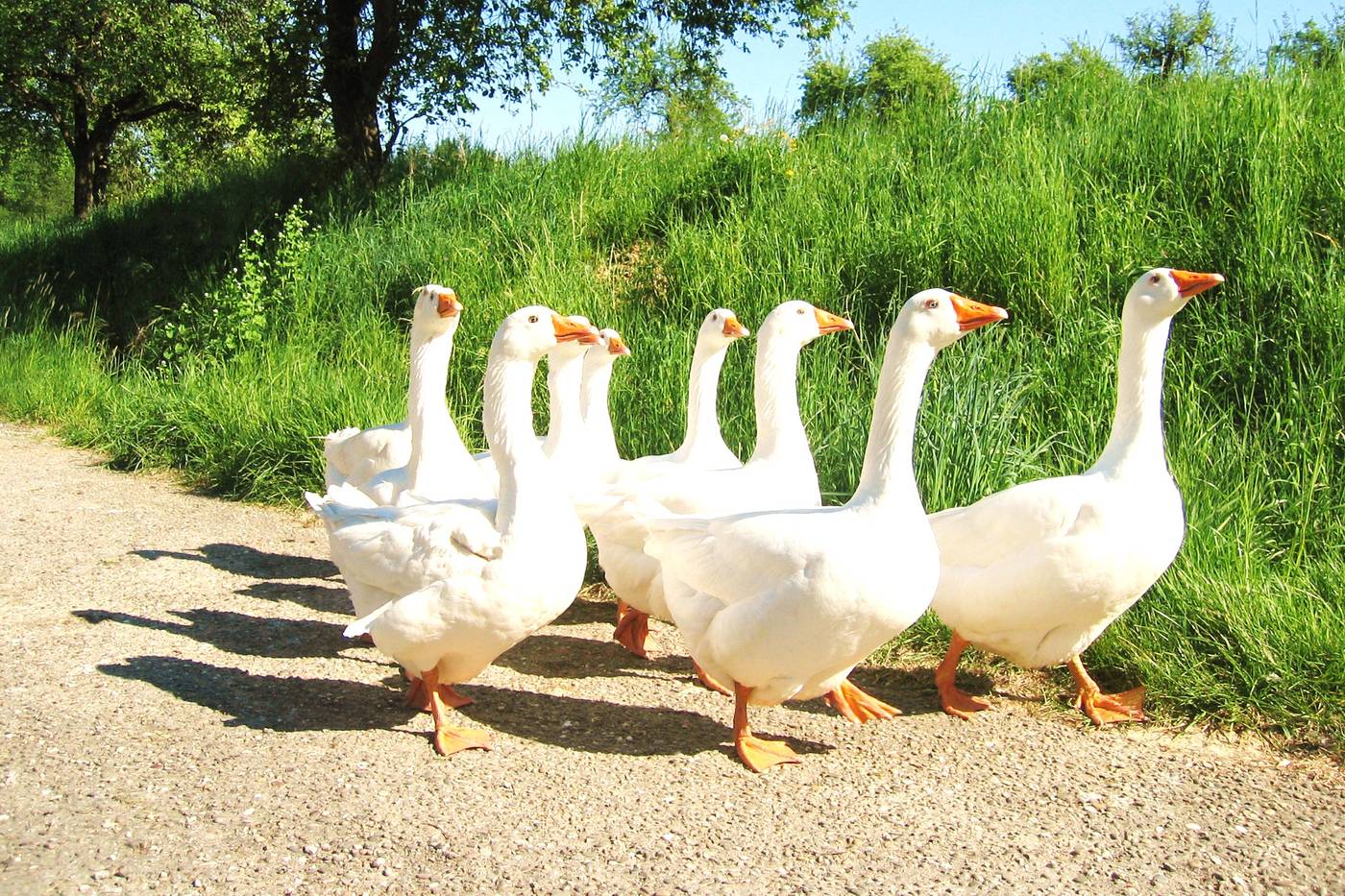
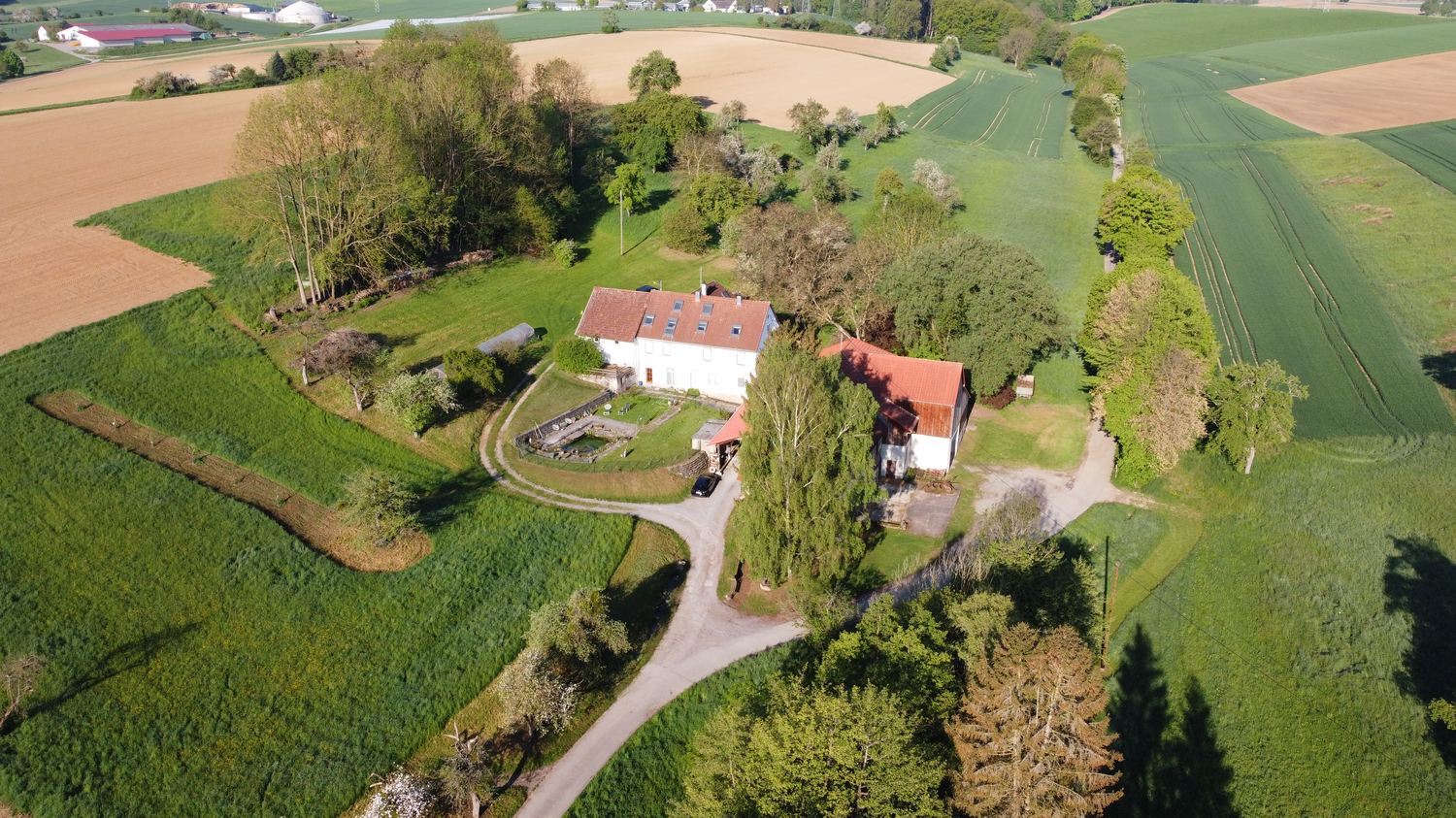
I come from a farming family that has worked the land for five generations, and to this day I live on the farm of my ancestors in Bad Wimpfen. Over the years we grew tobacco and many other crops. My wife and I keep cats, horses and geese, I am a member of the farmers' association and I stay in close contact with the farming community in the region.
Alongside the classic fieldwork, I also have experience running biogas plants. I know life on the farm and the routines across the seasons from my own hands-on practice.
Since 12 September 2025 every farm has a legal right to the data its connected machines produce. The data set on its own changes nothing. Figures turn into a decision only once agronomic knowledge, farming experience and an analytical tool come together. That is where the analysis cuts fertiliser, diesel and downtime. The examples below come from work on specialist articles for the agricultural press.
These are the publishers and editorial teams I write for


Tierärztin

Hog Farmer
Beef, National Hog Farmer and Feedstuffs are published by Farm Progress and Informa in the USA, Die Praktische Tierärztin by Schlütersche Fachmedien, the journal tu by Neckar-Verlag, and LZ Rheinland by Rheinischer Landwirtschafts-Verlag in Bonn.
Current assignments from agriculture
Editorial teams from agriculture, veterinary medicine and technical education are currently commissioning me for these articles. The selection shows the topics I am working on at the moment.
IT security for connected farm machinery
The article names the real attack surfaces of connected machinery and describes the steps with which a farm secures its control technology and machine data.
Data sovereignty over the animal data
Sensors and herd management continuously generate data about the animals. The article sets out who accesses it and by what means a farm keeps control.
Resilience of digitally run farms
For the US agricultural magazine Beef, I describe how a digitally run farm survives outages and gets back to work quickly after an incident. For Farm Progress and Informa I also write for National Hog Farmer and Feedstuffs.
IT for veterinary practices
The article shows how practices secure their connected practice software and run administration, diagnostics and billing reliably.
Digitally supported agriculture
For the journal tu I explain digitally supported agriculture through concrete cases. The focus is on the reason for a technology decision, the cost of the alternative and the consequences of an outage on the farm.
These assignments connect IT security, AI and data sovereignty with practice on the farm. The professional grounding comes from my own farm and from thirty years of work for the IT trade press.
Digitalisation on the farm, explained clearly
Precision farming, connected machinery, sensors in the barn and in the field, farm software and AI-supported analysis are standard on many farms. With this grows the dependence on technology that works, from milking equipment and feeding to accounting.
The benefit of this technology only shows once it reaches the farm. Many articles either stay too superficial or get lost in manufacturers' brochures. I prepare the technical background so that it stays tangible for farmers and still holds up professionally.
The focus is on the practical questions: what does a technology deliver on the farm, which steps are needed, what costs and risks arise, and who ultimately owns the data.

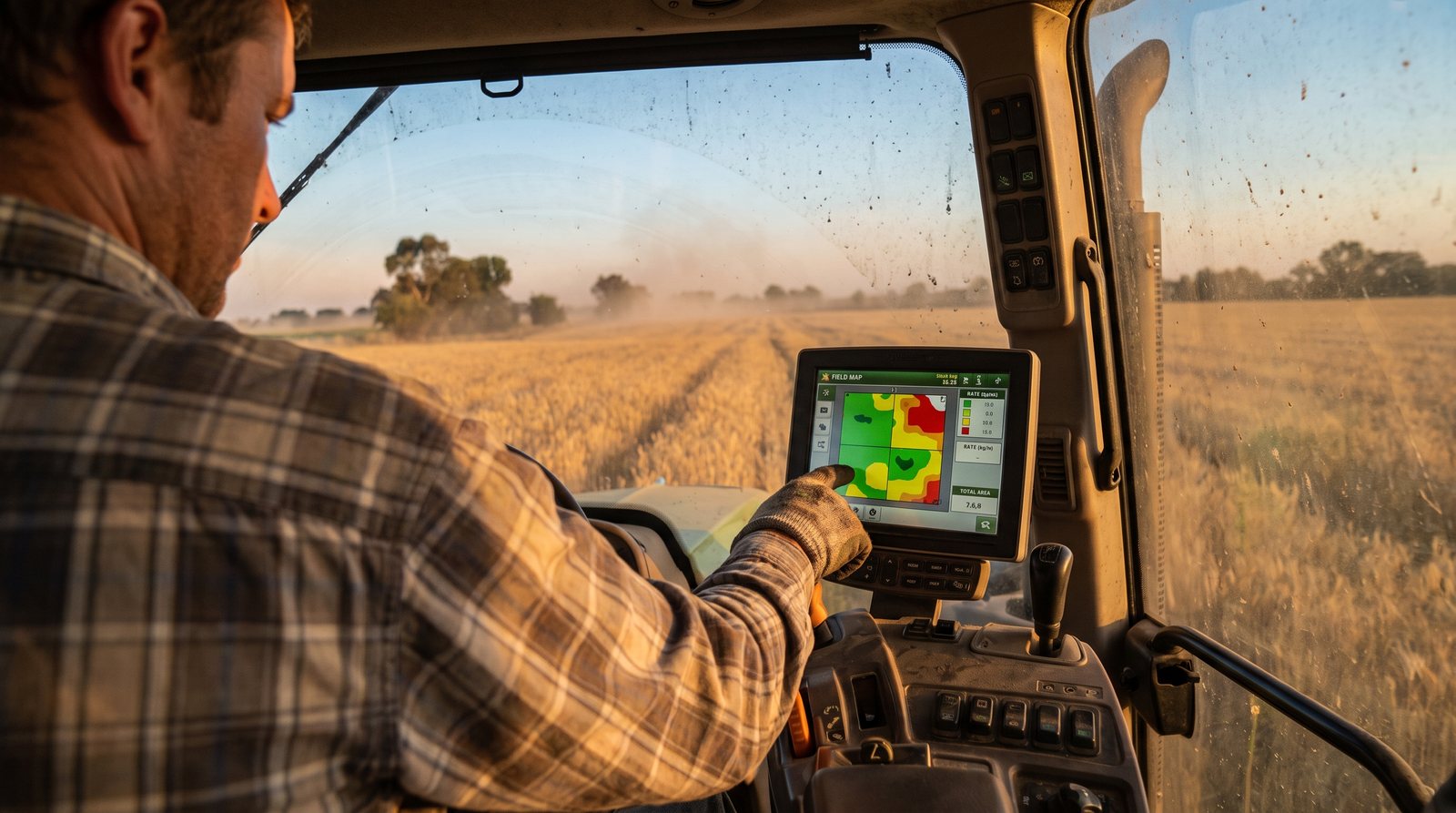
Precision farming begins in the field
Sowing, fertilisation and crop protection are guided by field sensors and satellite data. The benefit of this technology depends on whether the farm keeps the data and its analysis in its own hands.
A few figures for orientation
of farms use at least one AI tool in 2025, and around 47 percent among larger farms.
of ransomware victims are small and medium-sized businesses, exactly the profile of many farms.
365FarmNet ends and its functions move to Claas Connect. For many farms a switch is coming up.
Data sovereignty becomes concrete, via agrirouter, Agdatahub and the European agricultural data space.
Share of farms using digital and AI-supported tools.
Sources include the BSI 2025 situation report, agrarheute and the EU Commission on the European agricultural data space.
Connected machinery needs protection
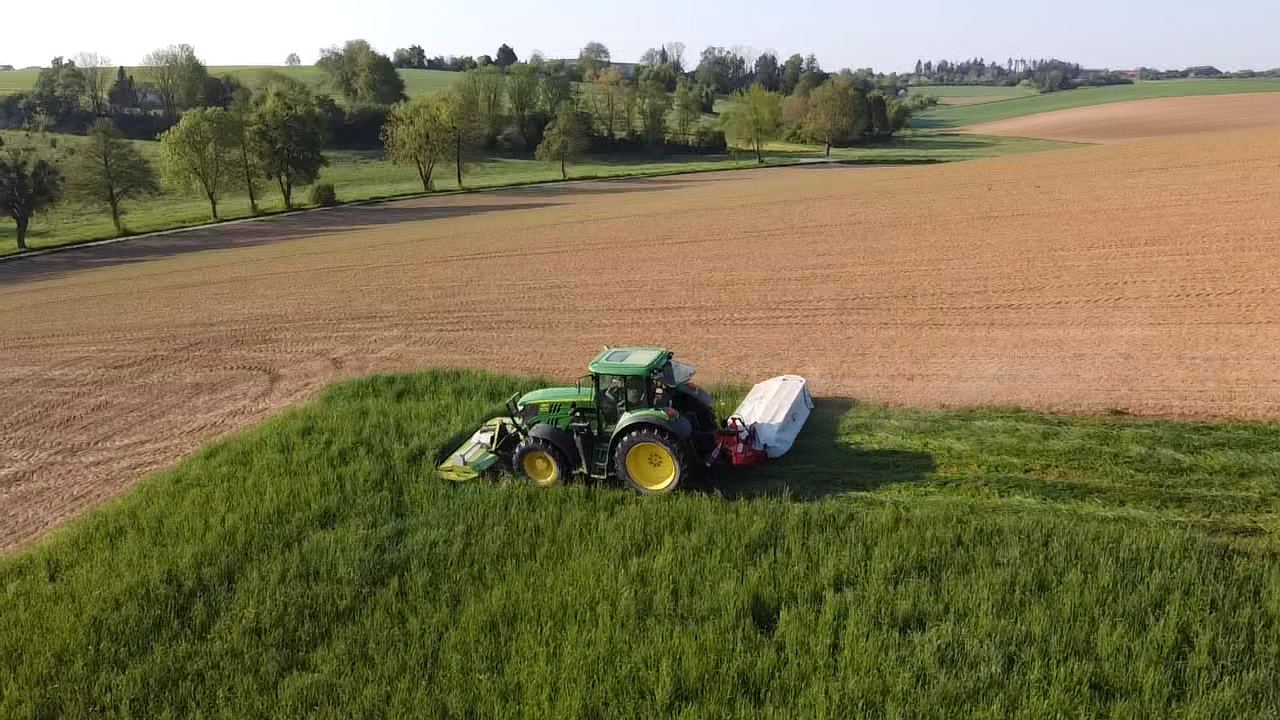
Tractors, mowers and implements exchange data continuously and rely on control units and wireless connections. If this technology fails through an attack or a defect, fieldwork comes to a standstill. A clear separation of the networks and verified access keep the farm secure.

Three topic areas with a direct link to practice
These areas affect almost every farm and lend themselves to practical specialist articles.
Many farms underestimate how dependent they are on technology, from barn control and milking equipment to accounting. It can be shown in practical terms with which simple steps a farm protects itself against outages, ransomware and phishing, without needing its own IT department.
The value of AI lies in making knowledge available that is otherwise hard to reach, directly on the smartphone. This also reaches farms that have so far shied away from digital tools, because the barrier is low and no dedicated hardware is required.
Connected machinery and sensors generate large volumes of data. The central question is who owns this data and how a farm keeps control. Around precision farming, farm software and data spaces, it is possible to set out what matters here.

The barn becomes a sensor network
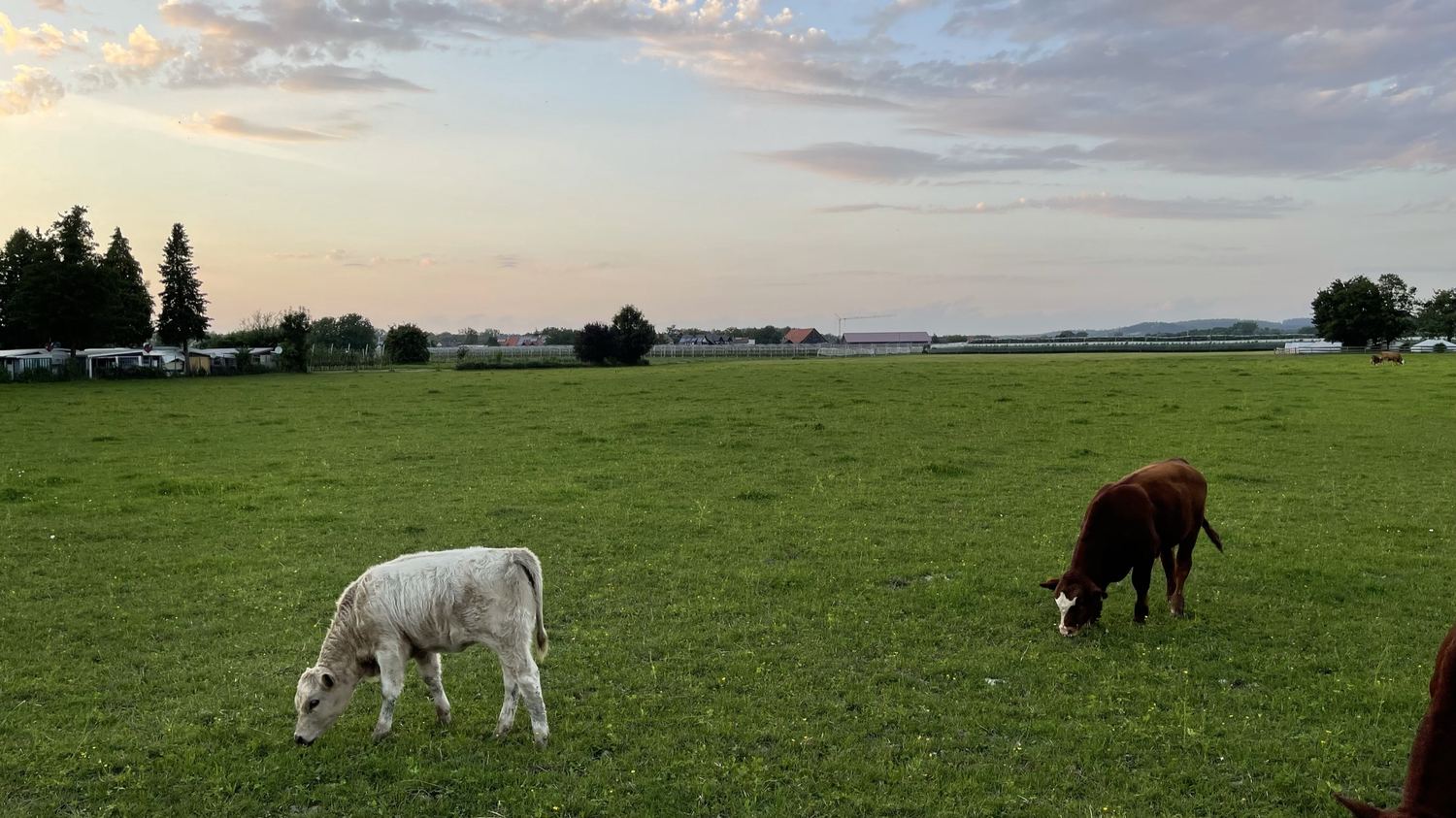
Collars, cameras and scales capture movement, feeding behaviour and weight of individual animals. The analysis reports deviations early and supports the work of farmer and vet. The farm itself should decide about the origin and use of this data.
Keep barn technology and office separate
A farm today depends on connected milking, feeding and barn technology. If it fails through an attack or a defect, animal welfare is quickly at stake.
A simple separation of office computers and control technology into separate network zones prevents malware from the office from spreading to the barn technology. The diagram shows the basic principle.
What AI delivers on the farm
These tasks run directly on the smartphone, so they also work on the move on the tractor, in the barn or in the field.
A tool that needs no dedicated hardware and helps right where the action is.
Identify plant diseases
Determine diseases and pests from a photo and make an initial sense of the first countermeasures.
Make package inserts understandable
Have labels of crop protection and veterinary medicines explained, including active ingredients, application rates and waiting periods.
Funding and applications
Make sense of funding and subsidies and prepare the necessary applications in a structured way.
Assess animal health
Make sense of symptoms in animals and prepare the appointment with the vet in a structured way.
Translate manuals
Translate complex operating manuals of machinery and farm software into understandable steps.
A low barrier to entry
Useful AI services are available free of charge or for a few euros a month. There is no need to buy hardware or software of your own, the smartphone is enough.
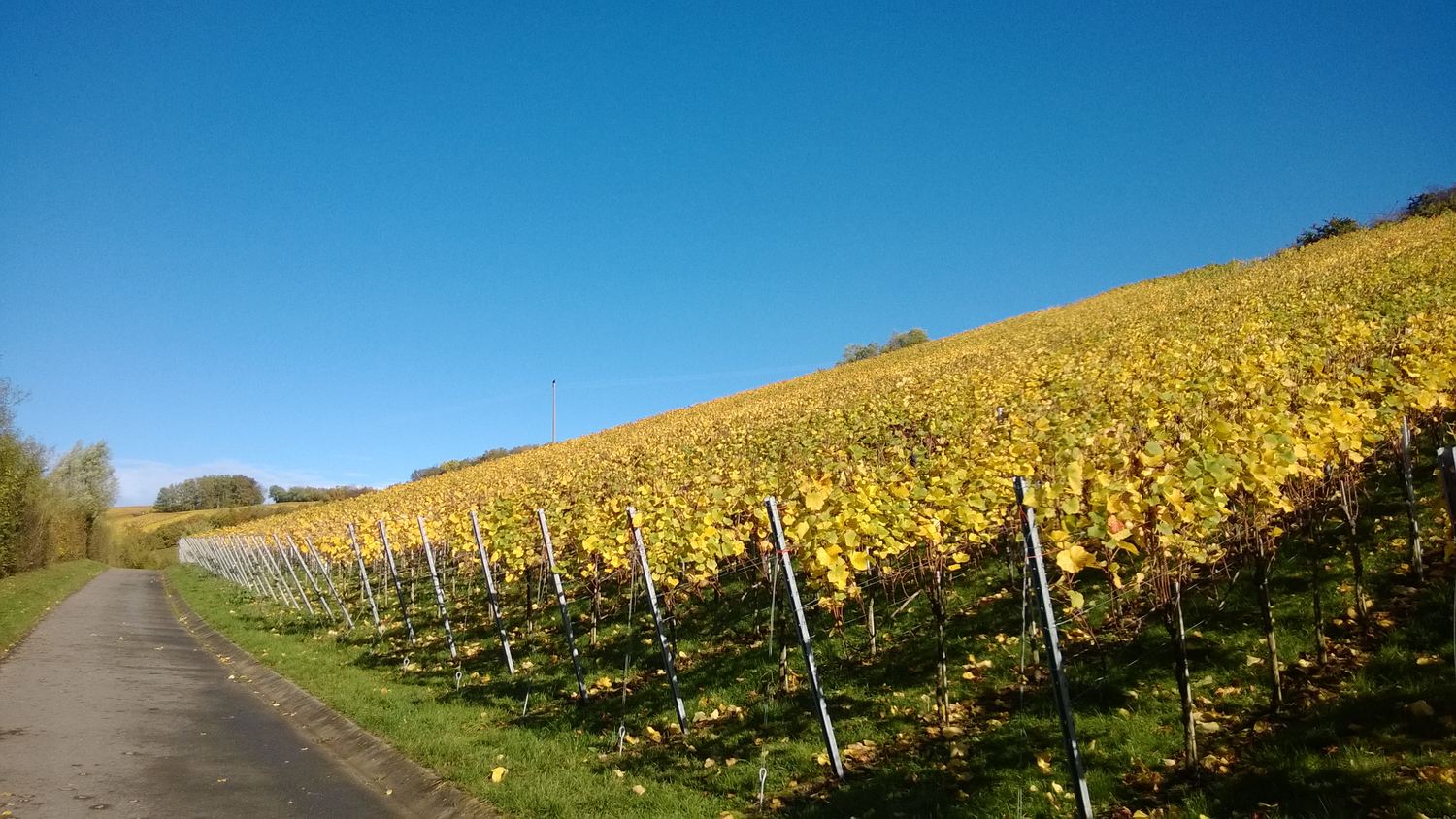
Special crops in viticulture also work with sensors and digital documentation.
The farm decides about its data
Machinery, sensors and farm software continuously generate data. Without clear rules it flows off unnoticed to manufacturers and third parties.
Platforms such as agrirouter and the European agricultural data space put the farm at the centre. It grants specific releases about who receives which data, and keeps control. The diagram shows this path.
From 12 September 2026, what counts is what the contract says before the purchase
Since 12 September 2025 the user of a connected machine has a claim to the data it produces, and decides who receives it. For machines placed on the market from 12 September 2026, the manufacturer has to provide that access.
Before a purchase, rental or leasing contract is signed, the manufacturer discloses which non-personal data the machine produces and transmits to it. The German implementing act has applied since 30 May 2026, and the Federal Network Agency supervises enforcement.
Before ordering a tractor, a sprayer or a forage harvester, a written commitment pays off. It records which sensor data is produced, in which format it can be retrieved, whether access costs extra and what happens to the archive after a change of brand. The Federal Ministry of Agriculture, Food and Home Affairs has published model terms that give the farm a basis for negotiation.

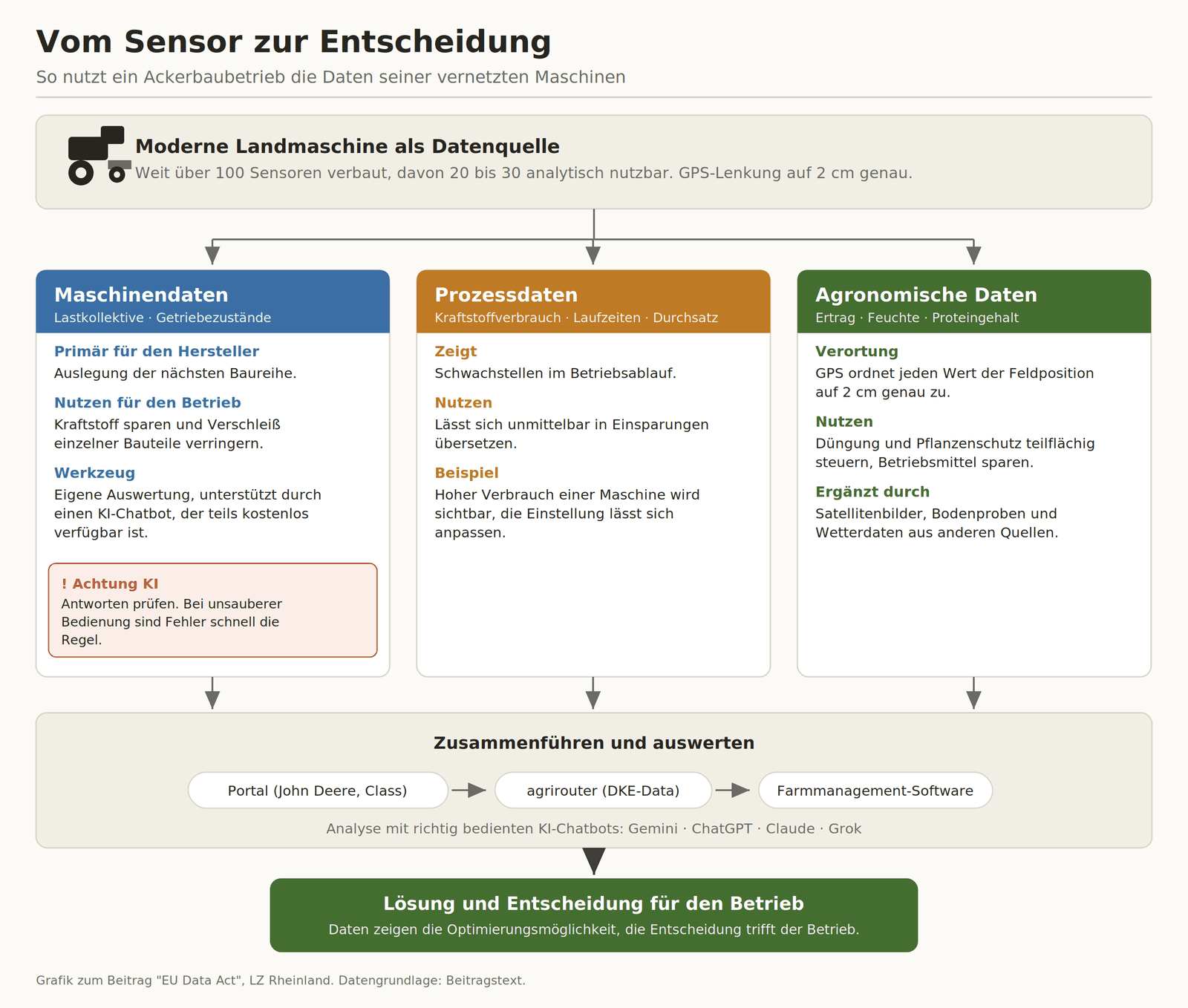
Machine data, process data and agronomic data have different addressees. Raw machine data serves the manufacturer first, process data shows the farm weak points in its workflow, agronomic data goes to the core of the work.
Farms running several brands hit limits, because every platform serves its own machines first. The cross-manufacturer hub agrirouter connects the portals and passes the data on to farm management software. Yield maps, application maps and records come together there, and the output is ISO-XML or CSV.
A sober finding belongs here. Farms rarely want data, they want solutions to their problems. The data set shows where something can be improved, it does not supply the decision, and so the decision stays with the farm.
Reading machine data with AI and profiting from it
The examples come from work on specialist articles for the agricultural press. They show where an AI tool turns raw data into a decision.

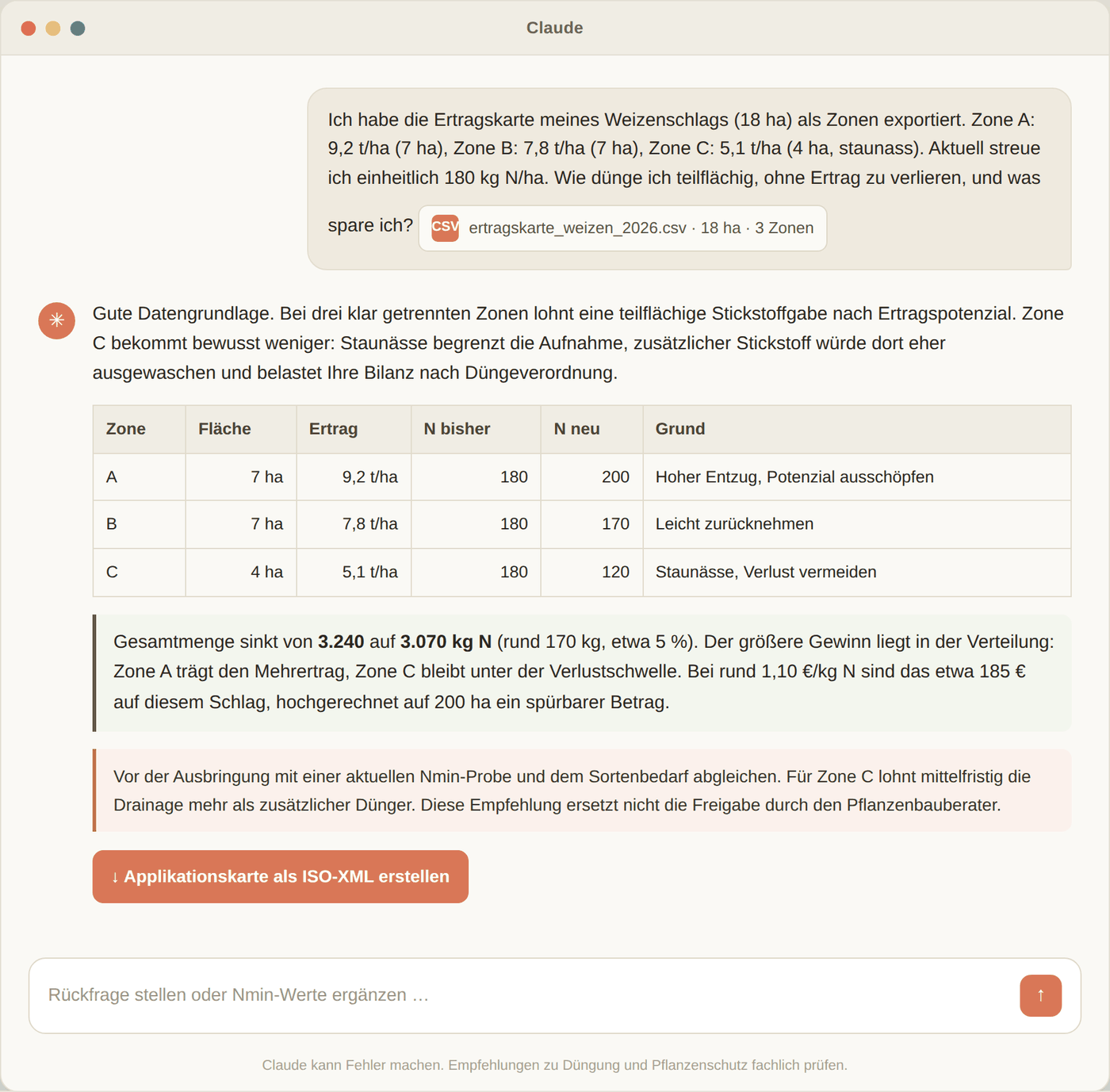
From yield map to application map
The yield map goes into an AI tool as ISO-XML and comes back as an application map that grades nitrogen by yield zone and reduces the rate on weaker areas.
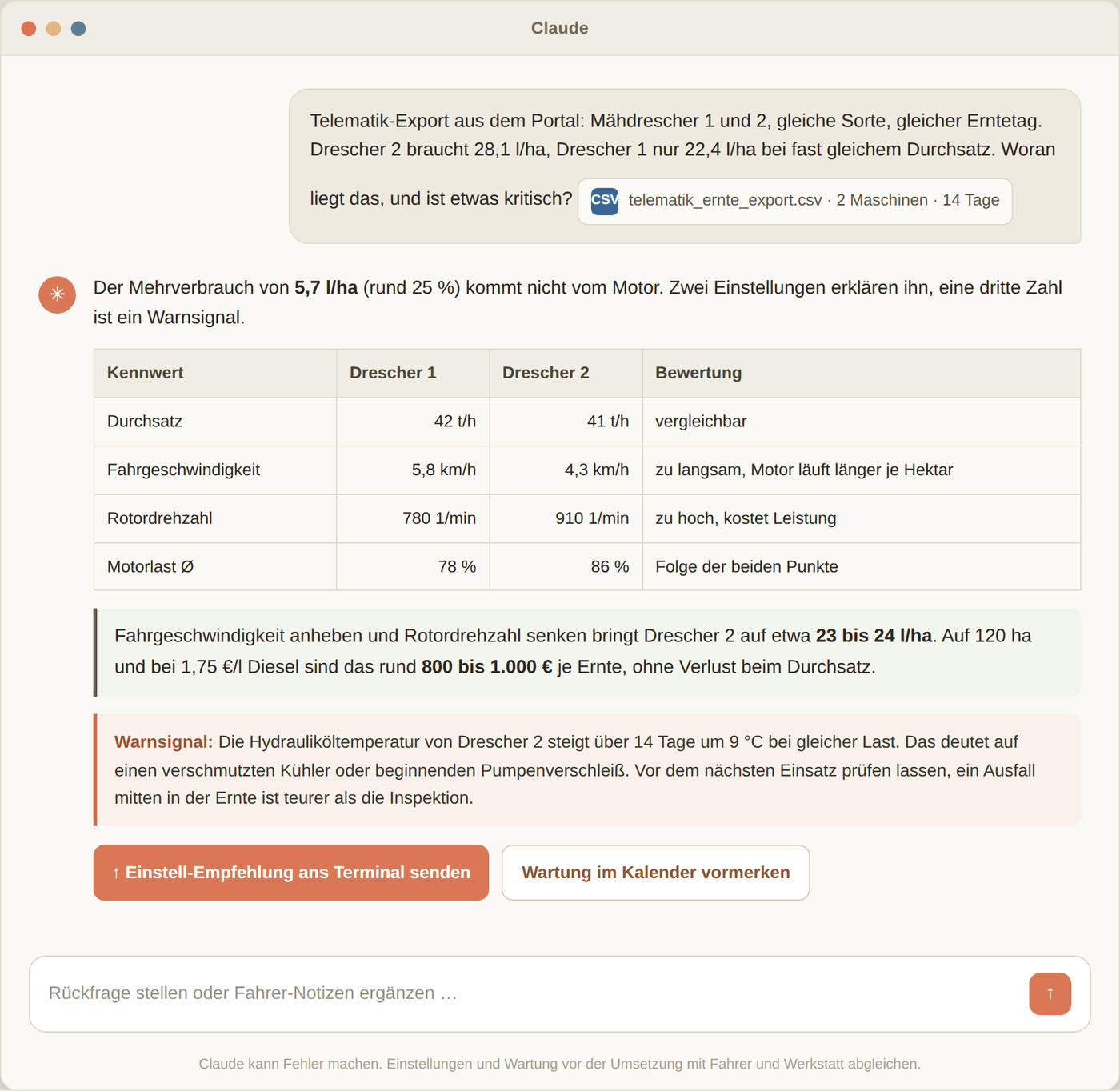
Excess consumption gets a name
From the fuel and throughput logs of several machines the same tool picks out the outlier and names the setting that causes the excess consumption.
Wear reports itself before the breakdown
The AI assigns error and sensor codes to a component and reports early wear before the combine stops in the middle of harvest.


Exports from different brands fit together
Where the outputs of several brands do not match, an AI tool maps the columns of the files onto each other and merges them into one data set that the farm management software takes over without rework.
The draft contract goes through a counter-check
An AI chatbot compares the draft sentence by sentence against the model terms and marks deviations, among them a missing deadline for archive access or a use after sale that reaches too far.
The data sheet becomes a comparison list
Before signing, the AI lists which data points the machine supplies, which ones the portal holds back and in which format the export runs.

The haulage gets calculated
From the overloading and coverage logs a farm sees idle teams and missing transport capacity, and decides on the number of drivers and trailers.
The records come out of the logs
An AI tool assigns application and machine logs to the individual fields and shows where an entry is missing for the fertiliser requirement calculation and the plant protection record. The professional check stays with the farm.
Repair or replace becomes a figure
From workshop invoices and operating hours an AI tool calculates the cost per operating hour for each machine. If that figure rises over several years, it argues for replacement rather than the next repair.
A note belongs here. Answers from AI tools have to be checked, and with sloppy operation errors are the rule. A recommendation on fertilisation and crop protection does not replace professional approval.

Cats, horses and geese are part of the farm. This closeness to practice shapes my writing.
Topics I am engaged with
A selection of current developments at the interface of IT and agriculture. They affect many farms and I follow them professionally.
365FarmNet ends on 30.11.2026
Claas is shutting down the farm management software 365FarmNet and migrating around 100,000 accounts to Claas Connect. For farms, what counts is the complete export of field and machine data and the control over these records after the switch.
The EU Data Act opens up machine data
Since 12.09.2025, users of connected farm machinery have a legal right to their data in machine-readable form. What remains open is the technical implementation of the export by the manufacturers and the security of the interfaces.
Ransomware brings barn technology to a halt
Attacks with extortion software increasingly hit farms. If milking robots, feeding or climate control fail, livestock and harvest are put at risk. Network separation, contingency plans and backups keep a farm able to act.
Right to Repair reaches farm machinery
A settlement with the US trade authority FTC obliges John Deere to open its diagnostic and repair software to independent workshops and farmers as well for ten years. The case concerns the manufacturer's control over control units and software unlocks in modern tractors.
AI detects sick animals before the symptom
Sensors and cameras capture rumination activity, movement and gait of individual animals and report deviations from normal behaviour. On documented farms, the analysis showed lameness before the visible onset. What remains open is data quality, false alarms and the connection to the vet's practice.
Veterinary practices come into attackers' sights
Practices manage patient data, payments and diagnostic technology through connected software and are becoming a target for phishing and extortion. For practices without binding requirements, what counts is backups, clear access rights and resilience.

Between field, barn and office is where the topics I write about take shape.
Hot topics for the agricultural editorial teams
These are the topics I am currently offering to the agricultural editorial teams. They build on the ongoing assignments and pick up the developments that are moving the sector right now.
NIS2 places obligations on agricultural trade and the food industry from 2026
The NIS2 implementation act covers feed producers, agricultural trade, dairies and larger farms. Management is personally liable, security incidents require a report within 24 hours, and fines reach up to 10 million euros.
The AI Act classifies AI in farm machinery as high-risk
The Digital Omnibus, Regulation (EU) 2026/1744, has applied since 27 July 2026 and resets the deadlines. For AI as a safety component of a machine, Annex I sets 2 August 2028, and for the high-risk systems under Annex III it is 2 December 2027. For manufacturers and users of AI-controlled agricultural technology, what counts is conformity assessment, documentation and fines up to 15 million euros.
Four manufacturers build an open alternative with FieldEngine
Krone, Rauch, Zunhammer and Nexat are developing a shared farm management software after the AGCO takeover of next farming, as a counter to proprietary platforms. The topic touches the debate around data sovereignty, open interfaces and dependence on individual providers.
AI chatbots take over farm advisory
The Bavarian State Research Center for Agriculture and the University of Passau are testing an AI agricultural chatbot and examining liability, copyright and data protection. Commercial providers are pushing into the market in parallel, which puts the reliability of generative models on the farm to the test.
Autonomous field machines reach production readiness
John Deere showed the second generation of its autonomy kit with 16 cameras and AI image processing, and series production of field robots is starting for the 2026 season. Software security, failure protection and liability in autonomous fieldwork move to the front.
Specialist articles that connect technology and farm
For agricultural media I write independently of manufacturers and from the perspective of people who work with farm and technology themselves. The articles stay close to practice and explain even demanding topics so that the readership can put them to use.
Formats
Specialist articles, explainers, guides, reports as well as white papers and decision-making documents, tailored to the target audience.
Topics
IT security on the farm, sensible use of AI, data sovereignty, precision farming, connectivity in rural areas and farm software.
Standard
Understandable without loss of substance, independent of manufacturers and with a clear benefit for the individual farm.
Reliability
On-time delivery and a careful handling of facts, drawn from decades of work for the IT trade press.
Working together in agriculture
For articles, series or white papers on IT and AI in agriculture, I am glad to be available to editorial teams and farms. A short message with the topic or the situation is enough.
Write a message