Thomas Joos · Author
IT and AI for Vehicle, Aviation and Defense
IT and artificial intelligence play an ever greater role in the vehicle, the cockpit and defense. I examine this technology from an IT security perspective and make it understandable.
More publications



IT security, AI and real time belong together
Vehicles, aircraft and defense systems are now networked computers with wheels, wings or sensors. Every wireless interface, every software update and every remote maintenance session opens a possible attack path. Regulations such as UNECE R155, ISO/SAE 21434 and DO-326A now require documented proof that attackers cannot reach any safety-critical function.
Artificial intelligence is moving into assistance systems, avionics and weather forecasting, taking on tasks with a direct impact on people. This brings the question to the fore of how a learning system can be verified and certified in a traceable way. The EU and the aviation authority EASA are working on exactly these proofs for machine learning.
On a single control unit, critical and non-critical functions increasingly run together. A separation kernel separates these functions with hardware support, so that a fault or attack in one area cannot reach the others. It is precisely this principle that connects certification to DO-178C or ISO 26262 with the security requirements from IT and AI.
The publishers and companies I write for







 P.M. · P.M. History · Flugzeug Classic
 Mark Allen Group · business aviation
 Forum Verlag Herkert · also Der Hausmeister
SysGo is the maker of the real-time operating system PikeOS. American Classics is published by Oldtimer Markt, the Segelfliegen-Magazin by Gabler Media, and Flugzeug Classic along with P.M. and P.M. History by GeraMond Media GmbH.
„Thank you for the pleasant collaboration.“
Jürgen Fischer · Freelance editor-in-chief · Europäische Sicherheit & Technik
For issue 10/2026 I wrote the article Defence suppliers: three exemptions lead to three outcomes. Using a vision processing module, it shows why the AI Act, the Cyber Resilience Act and the German BSI Act cover the same component differently, and which three sets of evidence procurement needs.Europäische Sicherheit & Technik 10/2026, business and industry section
Current assignments from mobility and aviation
Editorial teams and companies from automotive, commercial vehicles, aviation and safety-critical software are currently commissioning me for these articles.
Cybersecurity in business aviation
For Business Airport International I set out how business airports and FBOs secure their systems. The feature draws on EASA, a provider of in-flight connectivity and a maker of safety-critical software.
AI and networked diagnostics in the commercial vehicle workshop
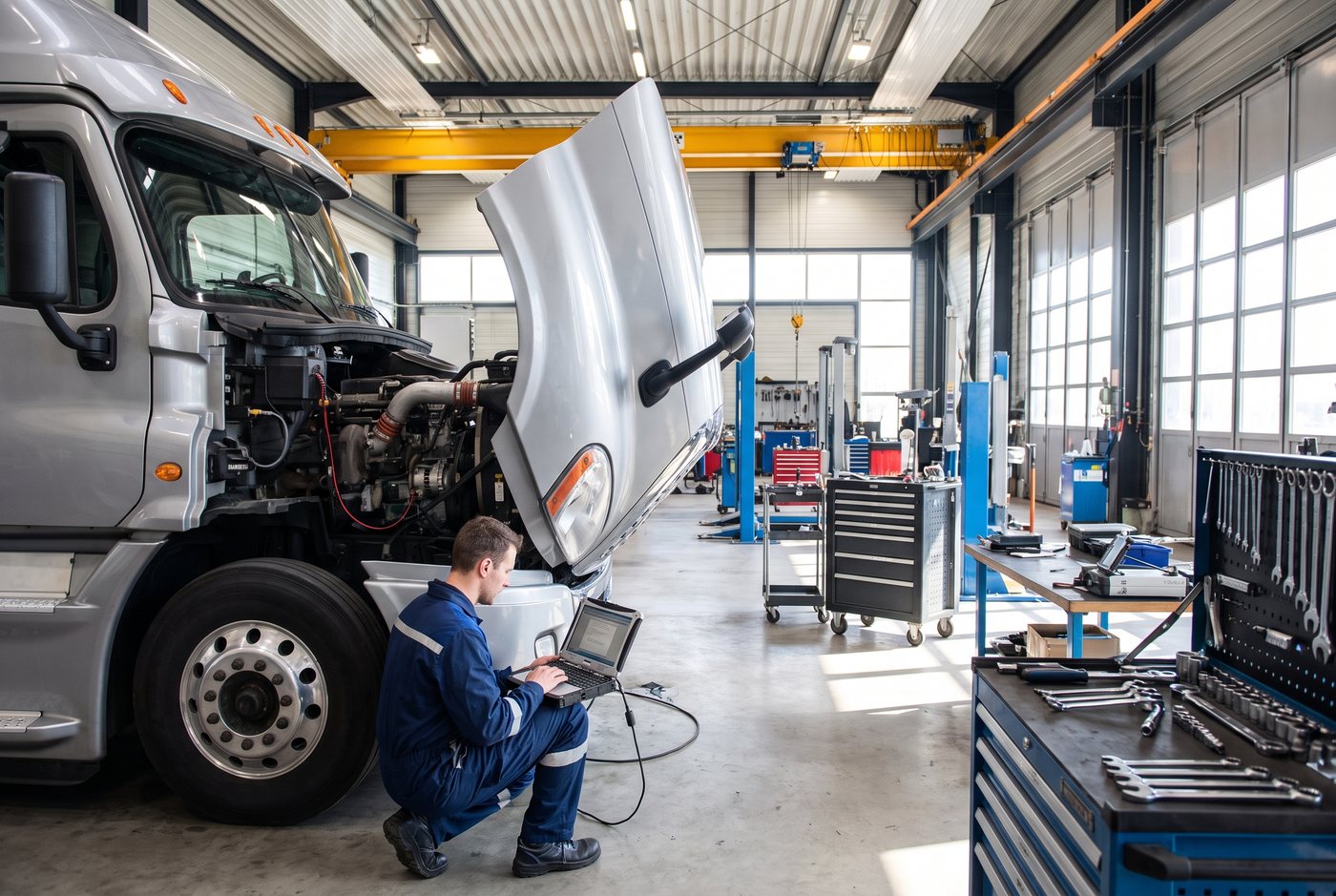
For Krafthand-Truck I write in a practical way about artificial intelligence and networked diagnostics on the commercial vehicle, from the workshop's point of view.
OBD-II diagnostics on the US classic car
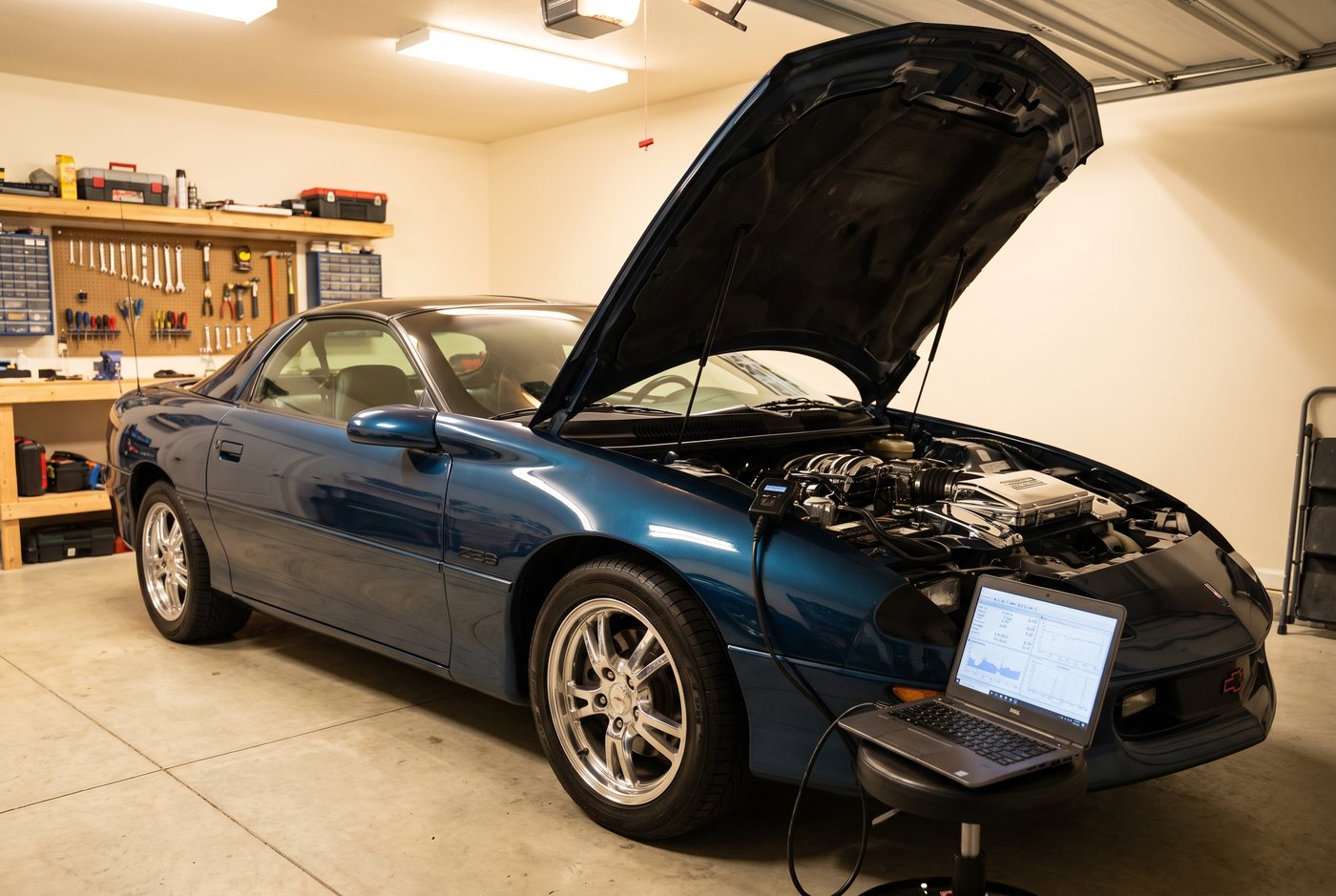
For American Classics I explain how older US vehicles can be read out and reliably diagnosed via the OBD-II interface. The technical history piece is running for issue 1/27.
AI, cockpit and cybersecurity in gliding
For the Segelfliegen-Magazin I am writing a series on AI in weather and thermal forecasting, digitalization in the cockpit and the cybersecurity of networked onboard devices.
Software-Defined Vehicle and secure real-time systems
For SysGo I write about secure real-time operating systems, certification to DO-178C and Software-Defined Defense. In this way I connect IT, AI and IT security with the vehicle, avionics and defense.
Digital tools in the restoration of historic aircraft
For Flugzeug Classic I write about the Messerschmitt Me 163 B held by the Deutsches Museum, which the Fraunhofer Development Center X-ray Technology in Fürth scanned in its XXL computed tomography facility. The images separate original parts from later replacements and record the condition for future conservation work. A second article traces the path from the mechanical cockpit to software in the aircraft. GeraMond Media publishes P.M., P.M. History and Flugzeug Classic in the aviation field.
These assignments connect IT security, AI and real-time software with the practical reality in the workshop, the cockpit and safety-critical technology. The technical foundation comes from thirty years of work for the IT trade press and from working with SysGo.
The workshop works with data
Modern vehicles and commercial vehicles deliver their status data through networked control units. Diagnostics run via software, interfaces and increasingly via AI-supported analysis. I show what matters when it comes to access, security and practical work.
OBD-II opens up the classic car too
Older US vehicles have carried an OBD-II interface since the late nineties. With the right adapter and the right software, fault memories, sensor data and control units can be read out. For the owner, what counts is the understandable path from the connector to a concrete diagnosis.
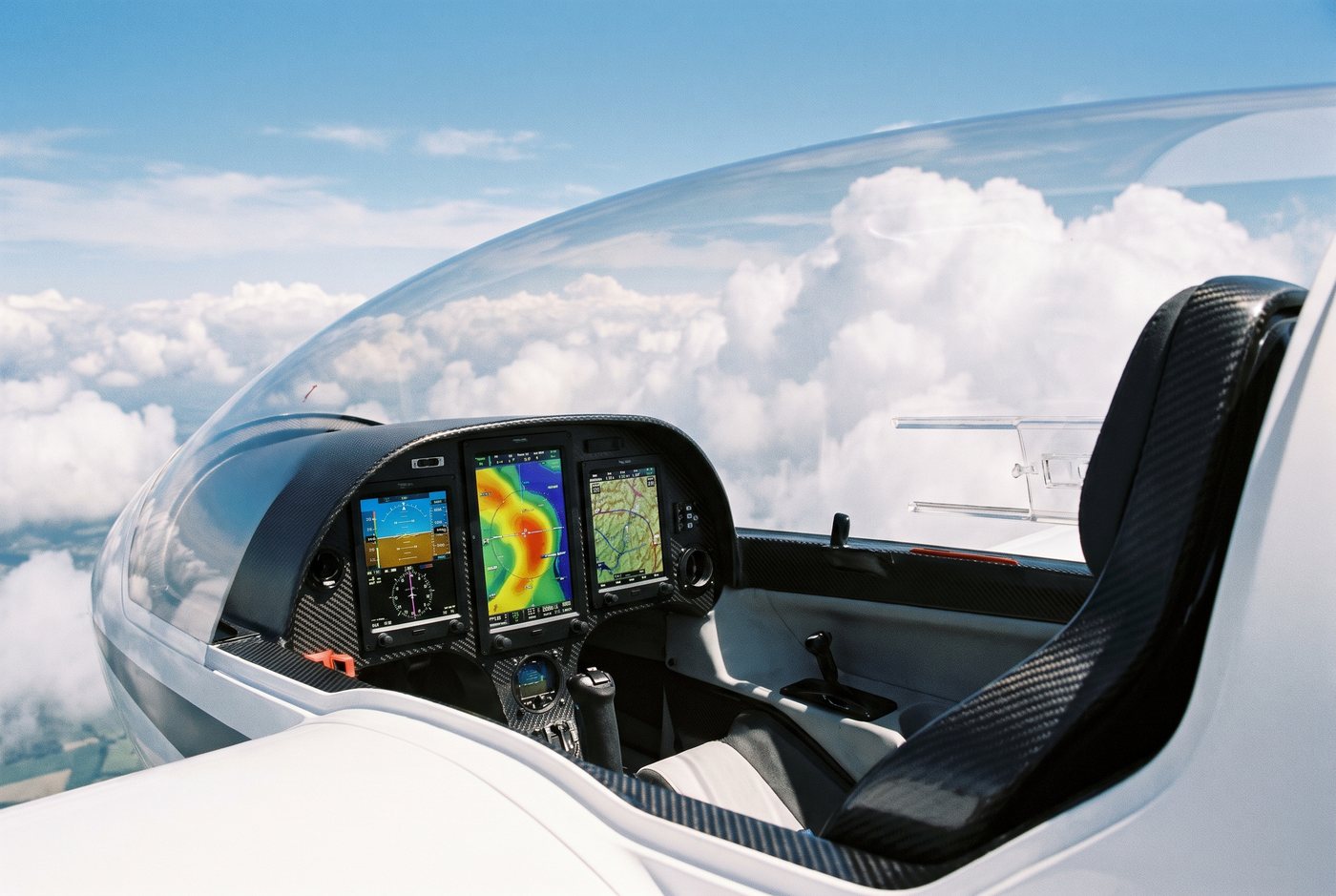
The cockpit is becoming networked
Flight computers, navigation displays and weather data combine into a digital system in the cockpit. AI supports flight preparation, for example in thermal and weather forecasting in gliding. At the same time, networked onboard devices raise the question of data security and reliability.
Separating critical functions cleanly
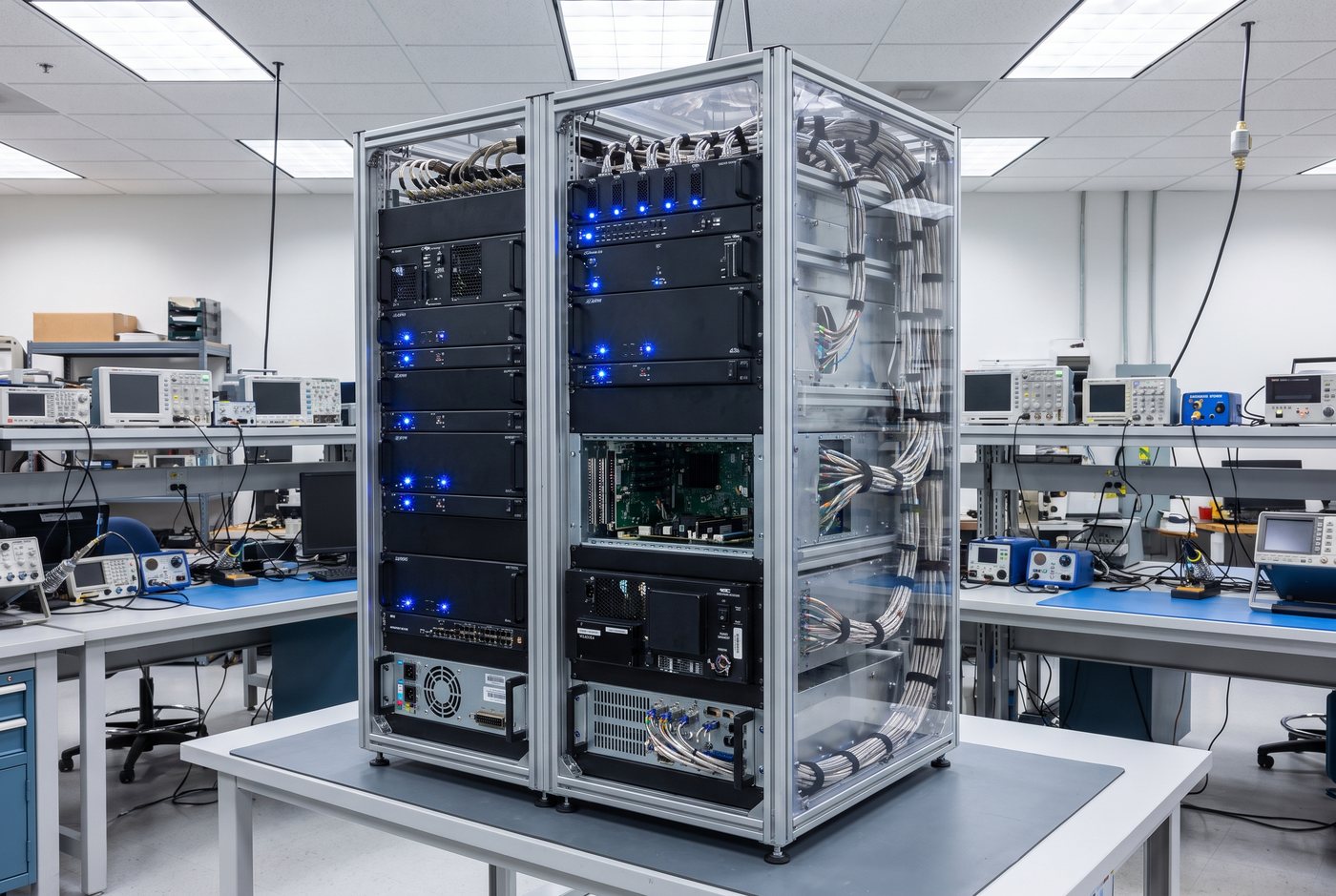
In avionics, the vehicle and defense, critical and open software increasingly run on shared hardware. A separation kernel divides these areas with hardware support and keeps certification to DO-178C or ISO 26262 separate from open guest systems. Operating systems with a separation kernel implement exactly this principle.
Topics I work on
A selection of current developments at the intersection of IT, AI and safety-critical technology in the vehicle, aviation and defense.
UNECE R155 requires cybersecurity across the vehicle lifecycle
Since July 2024, every newly registered vehicle type in the EU must demonstrate a cybersecurity management system across development, production and operation. From 7 July 2026, the requirements from R155 and R156 also apply to small series and special vehicles. I follow how manufacturers translate these requirements and ISO/SAE 21434 into concrete control unit architectures.
The Software-Defined Vehicle bundles functions on central computers
Zonal architectures bundle many control units behind central computing units and bring critical and non-critical software onto the same hardware. A separation kernel or hypervisor divides these domains and keeps certification to ISO 26262 separate from open guest systems. At CES 2026, manufacturers are showing intrusion detection systems following AUTOSAR for such domain controllers.
DO-326A makes cybersecurity a certification prerequisite in avionics
For the type certification of aircraft systems, proof against intentional electronic interference is mandatory. DO-326A and its European counterpart ED-202A are the recognized means of compliance for the FAA and EASA. In addition, with Part-IS the EASA is building an information security management system that becomes binding from 22 February 2026.
The EASA defines the certification of machine learning in aviation
In its Concept Paper on artificial intelligence, the authority describes requirements for Learning Assurance and explainability for level 1 and 2 applications. In June 2026, the EASA published the draft for Issue 03 for comment, which covers level 3 with advanced automation. I observe which assessment concepts can be transferred to safety-critical systems outside aviation.
Software-Defined Defense puts software and AI at the center of defense
The Readiness 2030 white paper of 19 March 2025 places software, AI and industrial capabilities at its center and backs this with an investment framework of up to 800 billion euros. Safety-critical systems require a hard separation of trusted and open components on shared hardware. Secure real-time operating systems address this need with a certification track from avionics all the way into defense systems.
The right to repair opens up access to vehicle data and diagnostics
The EU directive on the repair of goods applies in national law from 31 July 2026. In parallel, the EU is newly regulating standardized access to on-board diagnostics, control unit reprogramming and driver assistance data. For workshops and for diagnostics on older vehicles via the OBD-II interface, the issue is technical and legal access to this data.
IT and AI shape the vehicle, aviation and defense
Vehicles, aircraft and defense systems are becoming networked computers. IT security, artificial intelligence and secure software help decide whether this technology works reliably and remains protected. I have been engaging with exactly these questions for years, from an IT perspective.
I am a freelance IT, AI and security specialist author and have been writing for more than thirty years for media such as c't, iX, Computerwoche and PC-Welt. For companies like SysGo I write about secure real-time operating systems and their certification, one example of the connection between IT and safety-critical technology. My articles remain vendor-independent and close to practice.
Feedback
What readers say
„From my point of view, your CV is as impressive as your list of publications. Your clear, reader-friendly writing suits me as well.“
Specialist articles that connect technology and security
For media and companies from automotive, commercial vehicles, aviation and defense, I write vendor-independently from the perspective of IT, AI and IT security. The articles stay close to practice and explain even demanding topics in a way that the readership can use.
Formats
Specialist articles, explainers, guides and company reports, tailored to the target audience.
Topics
Vehicle cybersecurity, Software-Defined Vehicle, OBD diagnostics, avionics security, AI in flight preparation, secure real-time systems and Software-Defined Defense.
Standard
Understandable without loss of technical depth, vendor-independent and with clear value for the readership.
Reliability
Meeting deadlines and a careful handling of facts, built on thirty years of work for the IT trade press.
What I work on in mobility and aviation
The topics come from ongoing assignments for trade publishers and manufacturers. Each has a technical core that can be verified.
Diagnostics instead of guesswork
Fault memories, sensor data and manufacturer portals shape workshop practice. Reading the data finds the cause faster than swapping parts.
Classic cars open up through the port
Older vehicles also reveal operating data through the diagnostic port. That helps restoration and maintenance but raises questions about access.
From instrument to software
Displays, navigation and assistance run as software on shared hardware. An update can therefore change functions that used to be hard-wired.
Keeping critical functions apart
Entertainment and control must not share resources. How that separation is enforced decides whether a system can be certified.
When milliseconds count
An operating system for safety-critical tasks guarantees response times. That guarantee, not raw speed, is what sets it apart.
Forecasting for the flying day
Models now run hourly and across many scenarios. That helps the evening-before planning; the single storm cell is still a question for the radar.
Collaboration in Mobility, Aviation and Defense
For articles, series or company reports on IT, AI and security in the vehicle, the cockpit and safety-critical technology, I am glad to be available to editorial teams and companies. A short message with the topic or the starting point is enough.
Write a message